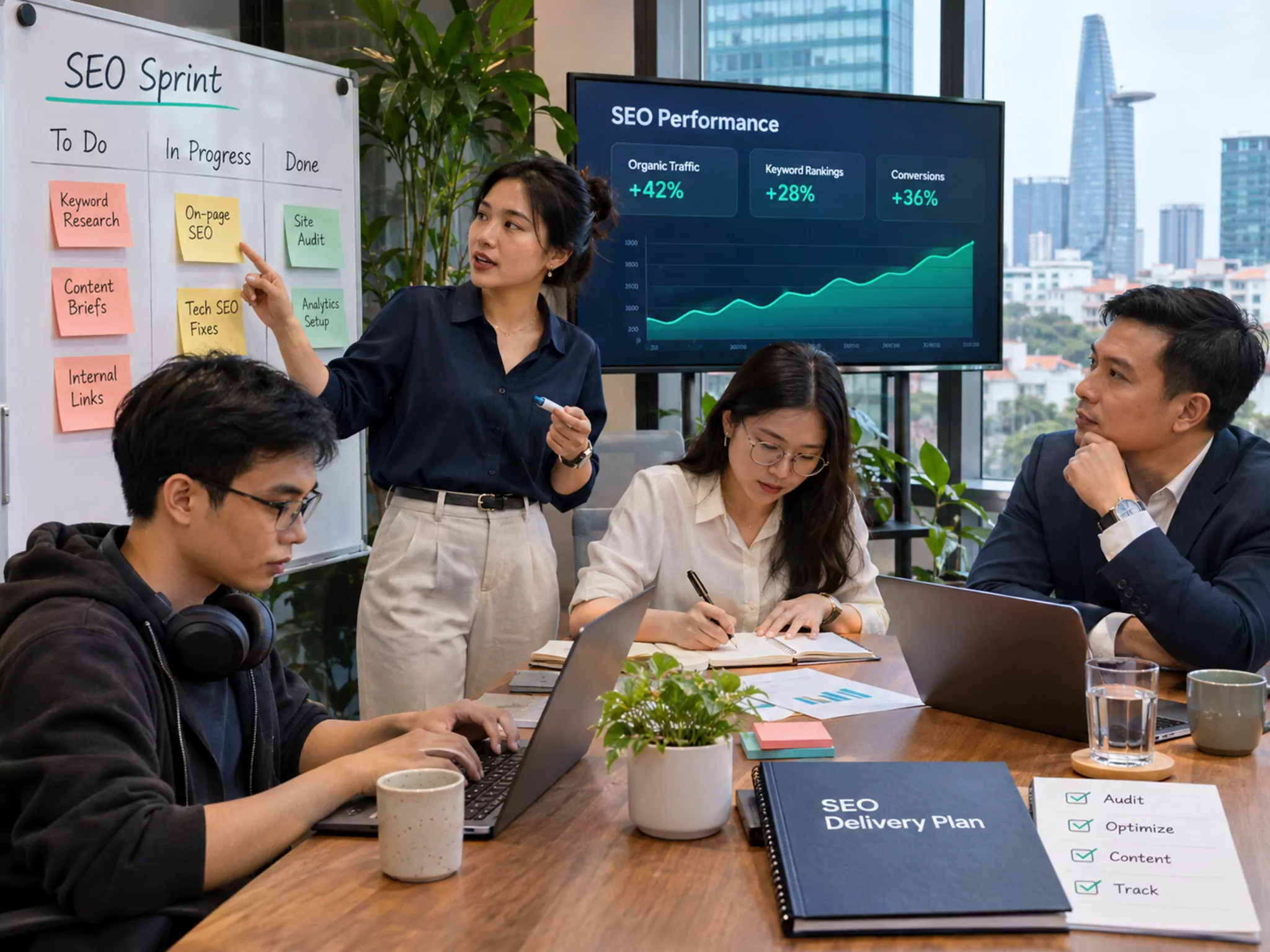
Overall SEO services
Build a technical platform, topical authority and landing page system that creates conversions.

Fast SEO and GEO solutions help businesses expand search visibility, attract qualified leads and build sustainable brand advantages.
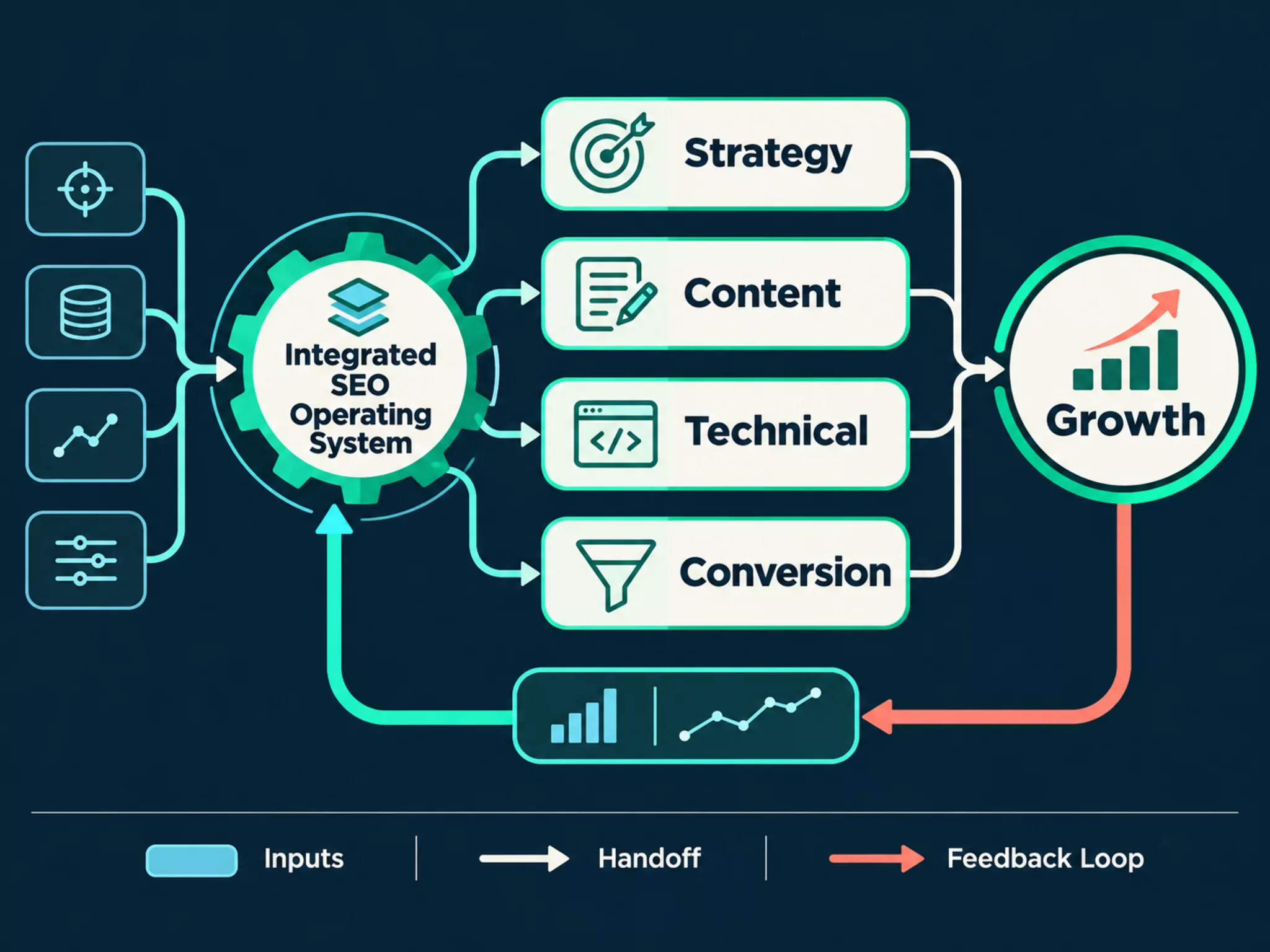
SEO NHANH delivers Fast SEO by connecting technical SEO, content, entities and conversion into one roadmap. Each activity answers three questions: what customers need, what search engines need to understand, and what business outcomes to measure.

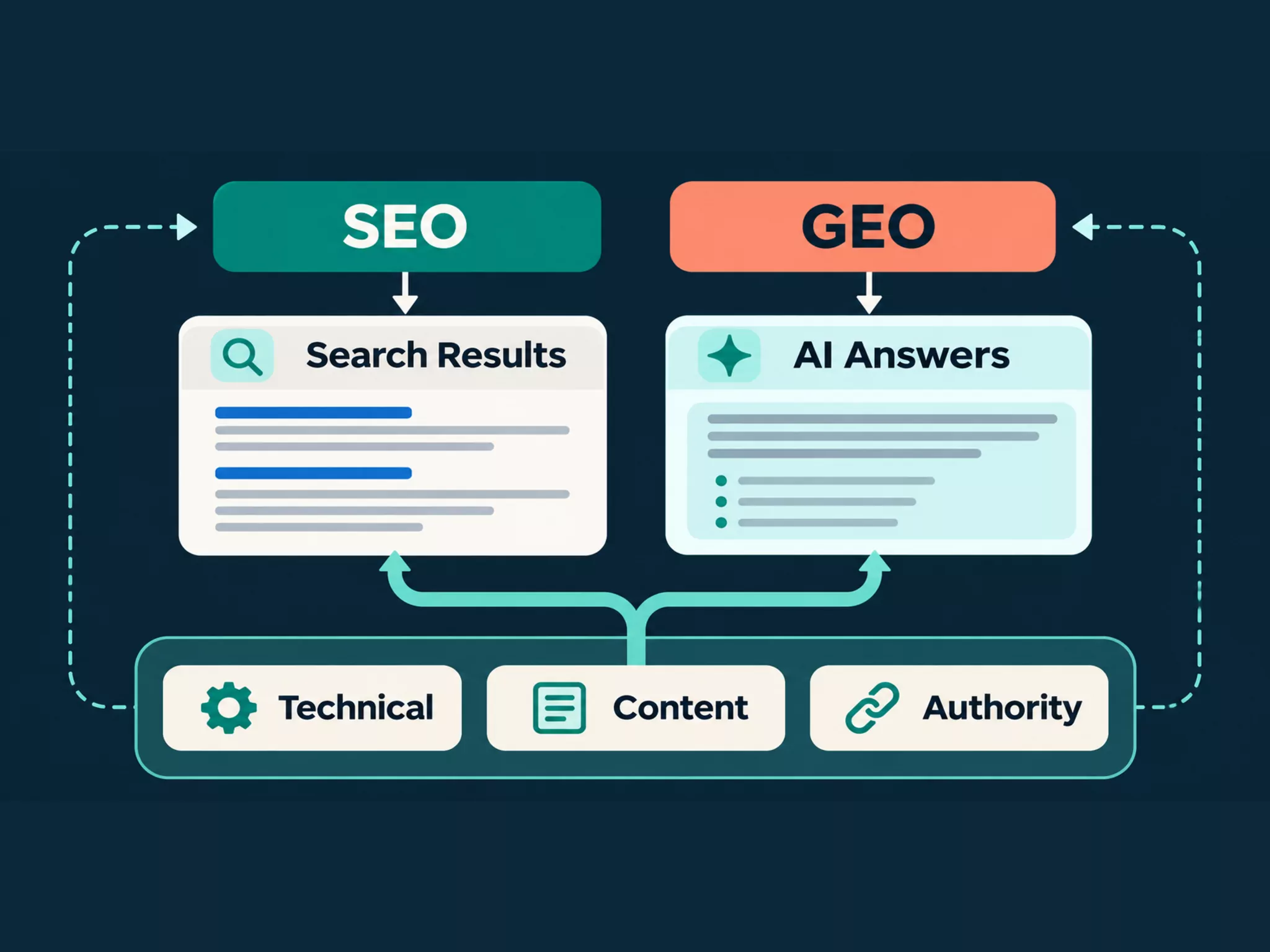
Businesses need to be present in traditional search results and in AI-aggregated answers at the same time.
Build a technical platform, topical authority and landing page system that creates conversions.
Optimize entities, citation sources and content structure for your brand to appear on AI Search.
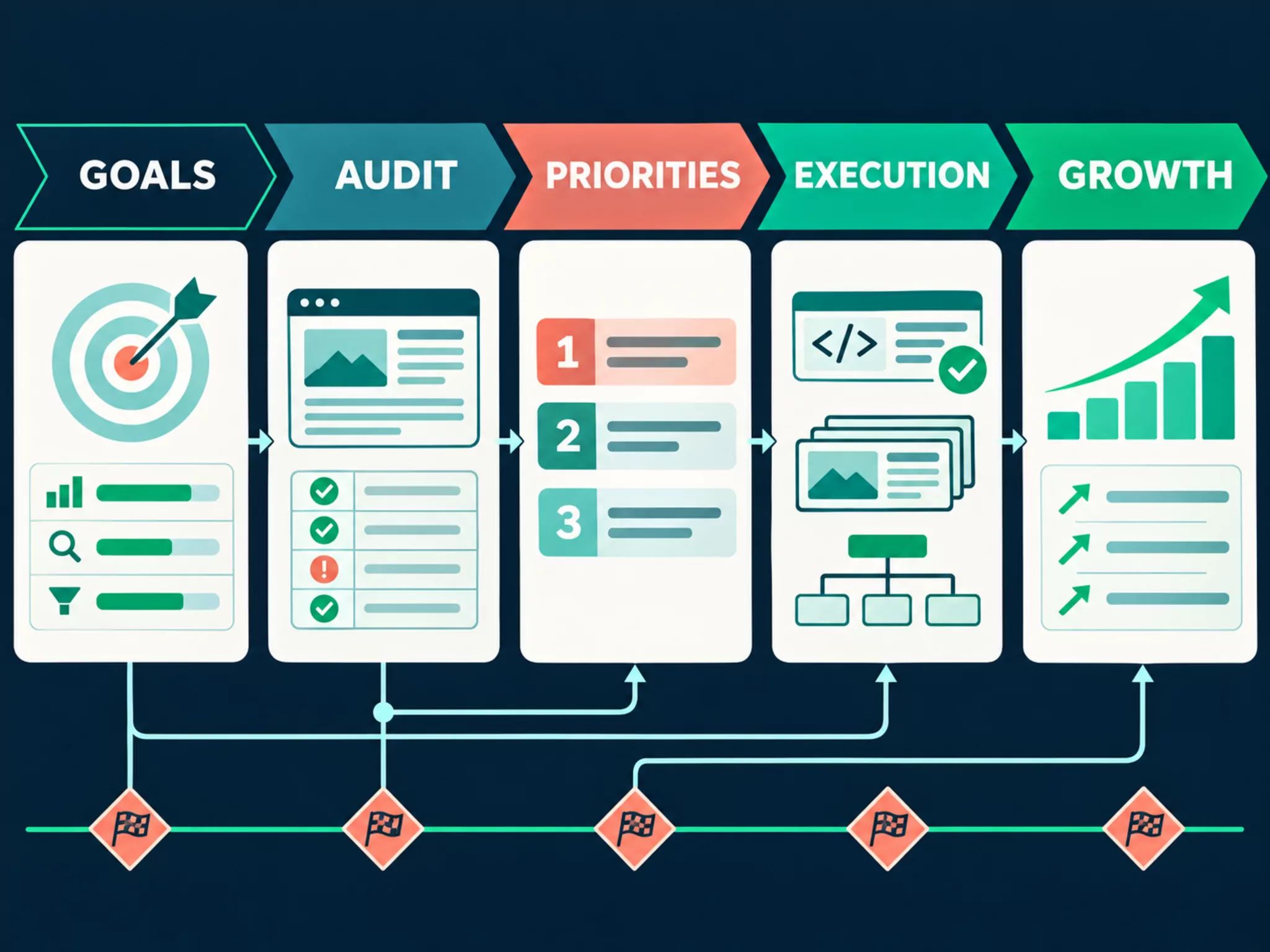
Audit website, market, competitors, search data and measurement systems.
Close topic clusters, landing pages, technical priorities, KPIs and implementation resources.
Optimize technical, content, internal links, entities, authority and conversions.
Measure visibility, leads, revenue; test and expand effective query sets.
GEO helps make content a source that AI systems can understand, collate and cite. SEO NHANH standardizes organizational data, entities, authors, sources of evidence and answer structures to increase the likelihood of appearing in new search journeys.

Fast SEO from SEO NHANH helps businesses attract customers through Google and emerging search platforms. We combine market research, keyword strategy, technical SEO, in-depth content, landing page optimization and conversion measurement in one unified roadmap. Before starting, the team researches the product, target customers, competitors, website status and business goals to identify suitable opportunities. From there, businesses know which pages to prioritize, what content needs to be completed, what technical items need to be addressed, and how to evaluate progress. SEO NHANH’s Fast SEO service aims to reach the right customers, clearly convey product value and create more opportunities to contact or purchase. Each plan is built based on actual data and resources, with scope and tasks agreed upon from the beginning. SEO takes time for search engines to register changes; therefore, we focus on solid foundations, transparent processes and continuous improvements instead of promising fixed rankings. If your business needs a Fast SEO company to develop its search channel, SEO NHANH is ready to evaluate the website with you and determine the appropriate steps.
SEO NHANH is a Vietnamese search-growth brand that advises and delivers SEO programs for businesses. The phrase “Fast SEO” can also describe a way to prioritize SEO work so high-impact opportunities are addressed sooner; it is not a promise to move every keyword to the top of Google in days. SEO helps search engines understand pages and helps people find relevant information through unpaid results. SEO NHANH starts with business goals, technical condition, customer needs and available resources, then sets a practical order of work. For scope, process and pricing, see our SEO services.
Each business has a different starting point and goals. SEO NHANH explores key products, customers, service areas, competitive advantages, buying journeys and internal resources before recommending scope. The plan prioritizes pages and topics that contribute to the goal, rather than implementing large numbers of work with unknown impact. Customers know what is being done, why it needs to be done, who is in charge and what data will be used for evaluation.
SEO NHANH pursues a proactive, lean and priority-focused approach. Brand names do not guarantee instant rankings. We do not promise a fixed position because the results also depend on the current website status, competition, market demand, coordination speed and how search platforms evaluate content. What SEO NHANH is committed to is clear scope, explainable methodology, transparent output and data-driven process improvement.

Fast SEO is a prioritization approach: identify and address the search issues with the greatest impact first. These may include pages that cannot be crawled, content that misses customer needs, service pages lacking decision-making information, or conversions that are not measured. A sound process reviews the website and query data, ranks opportunities by impact and effort, implements technical and content improvements, then tracks visibility, relevant visits and qualified enquiries. Speed comes from better diagnosis and coordination, not from bypassing search systems. Rankings still depend on competition, site quality and how quickly search engines process changes; no provider can guarantee a fixed position on a fixed date.
SEO NHANH starts by reviewing business goals and website health, then aligning opportunities by impact, urgency, resources and implementation capabilities. Depending on the project, the priority might be to fix indexing errors, clarify site architecture, upgrade service content, improve mobile speed, or build a conversion measurement system. Each proposal has a reason, who’s in charge, and how to confirm it after completion, so that time and budget are spent on the right work.
A proactive approach doesn’t mean skipping validation or committing to rankings within a few days. SEO NHANH deploys in stages, monitors actual signals and adjusts as new data becomes available. Businesses can both handle immediate bottlenecks and build a content, technical and reputation foundation for long-term development. That’s how Fast SEO services create clear progress while still protecting website quality and customer experience.

A Fast SEO service helps a business reach people searching for a solution, product or provider. Depending on the site, work may include query research, technical review, information architecture, landing-page improvements, expert content, internal links, consistent brand information and conversion tracking. Results should be assessed in stages: whether important pages are indexed, whether relevant queries gain visibility and clicks, and whether those visits produce enquiries or revenue. The scope should reflect the industry, website condition and available resources rather than reuse the same checklist for every client. To compare deliverables and implementation options, visit our SEO services page.
The goal does not stop at increasing visits. A campaign needs to attract the right customer group, bring them to the right page, help them understand the benefits and facilitate contact or purchase. Therefore, a comprehensive SEO solution connects search activity with content, website experience and sales process. Businesses can see detailed scope at page SEO services.
During the cooperation process, businesses have a focal point in charge, a phased work plan and a unified exchange schedule. SEO NHANH coordinates with product experts to verify information, with the technical team to implement changes, and with the sales department to understand the quality of potential customers. Tasks are recorded with status and inspection results, helping businesses monitor progress, proactively arrange resources and understand the tasks that need to be coordinated. When new data becomes available or goals change, the scope can be reviewed to ensure the plan remains relevant to actual operations.
The first phase helps businesses understand where the website is and where to invest. SEO NHANH reviews crawling, indexing, information architecture, quality of key pages, existing search performance, and conversion tracking systems. We review the market with our competitors to identify content gaps, topics of opportunity, and barriers that could slow implementation. The result is a prioritized plan, not a long list of errors but lacking an order of implementation.
The strategy includes a keyword map by search intent, the role of each URL, groups of pages to build or optimize, internal linking recommendations, and metrics to track. Each proposal is associated with reasons, priorities, expected effort and dependencies from the business side. This allows the team to coordinate content approvals, feature development, and technical implementation at the appropriate cadence.
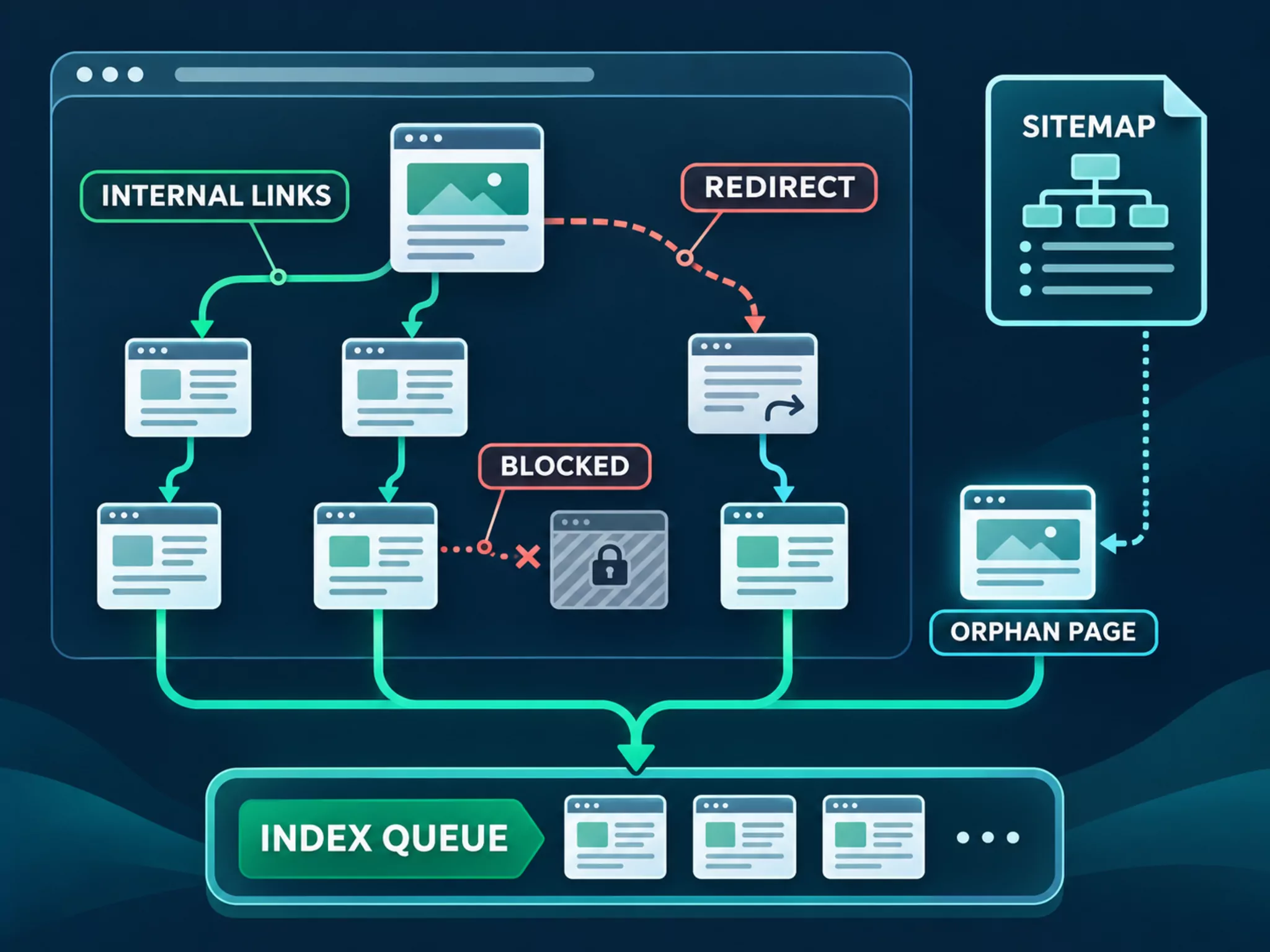
The team examines technical factors that affect accessibility, crawlability, and content understanding: status codes, redirects, canonical, robots, sitemaps, URL structure, internal linking, structured data, capabilities mobile display and page performance. Issues are evaluated in the context of a real website to avoid fixing warnings that won’t have a significant impact. When changes are needed at the template or system level, SEO NHANH coordinates with the development team, proposes testing criteria and reviews after release.
User experience is also within the scope of SEO. The page needs to load consistently, content is easy to read, navigation is clear, and the form or phone number is easy to use. Service pages need to help customers understand what the business offers, who it is for, what the process is and what to do to get advice. Optimizing speed or structure is not only to improve search engines but also reduce obstacles on the customer journey.
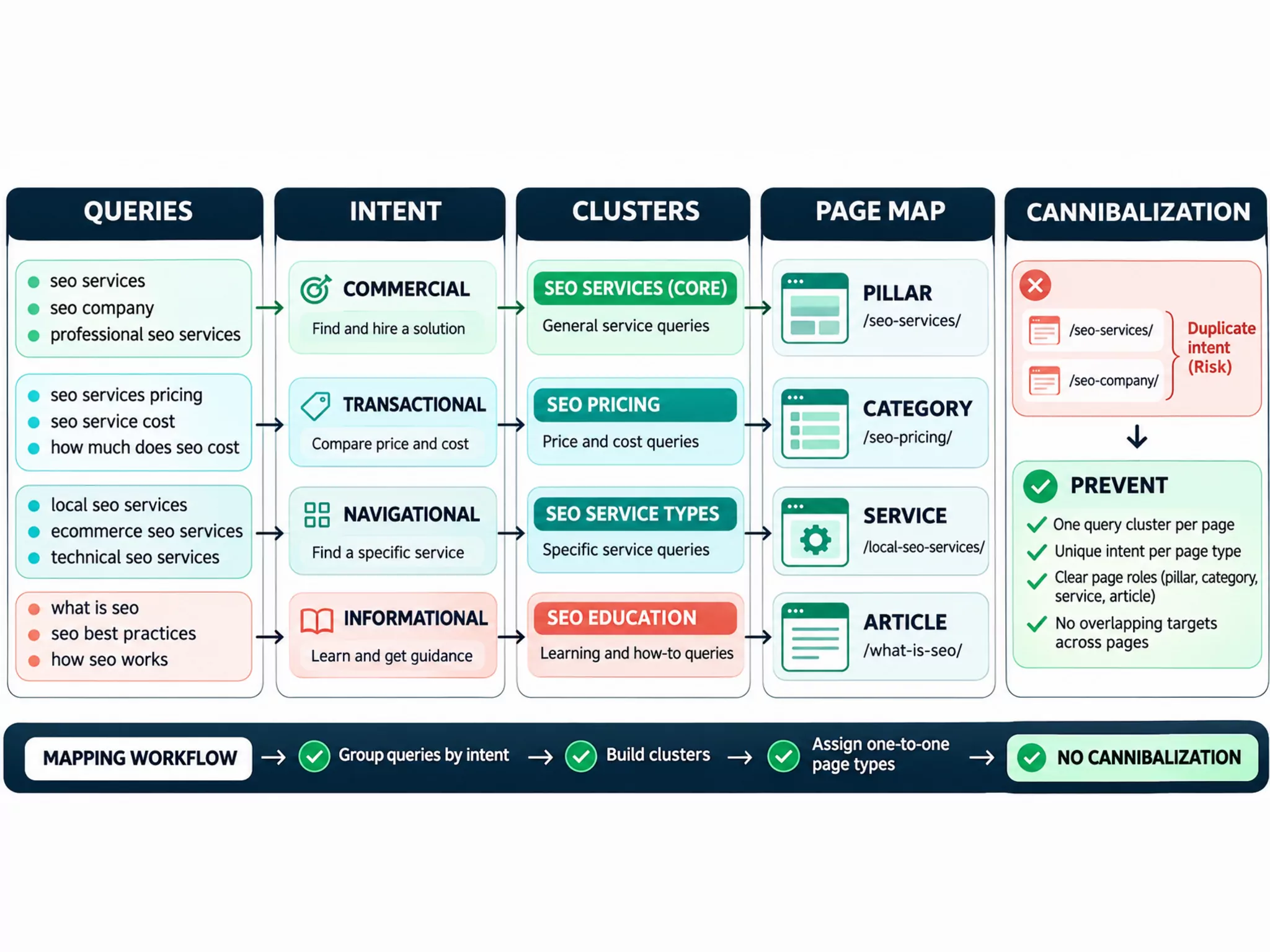
SEO NHANH builds topic maps based on real customer needs and product goals. Keywords are grouped into information, comparison, transaction, brand, locality and pre-purchase questions. Each group is associated with the appropriate page type: service pages, industry pages, solutions pages, category pages, tutorials or FAQs. This role assignment helps limit multiple pages with the same intent and creates a natural path from the learning content to the conversion page.
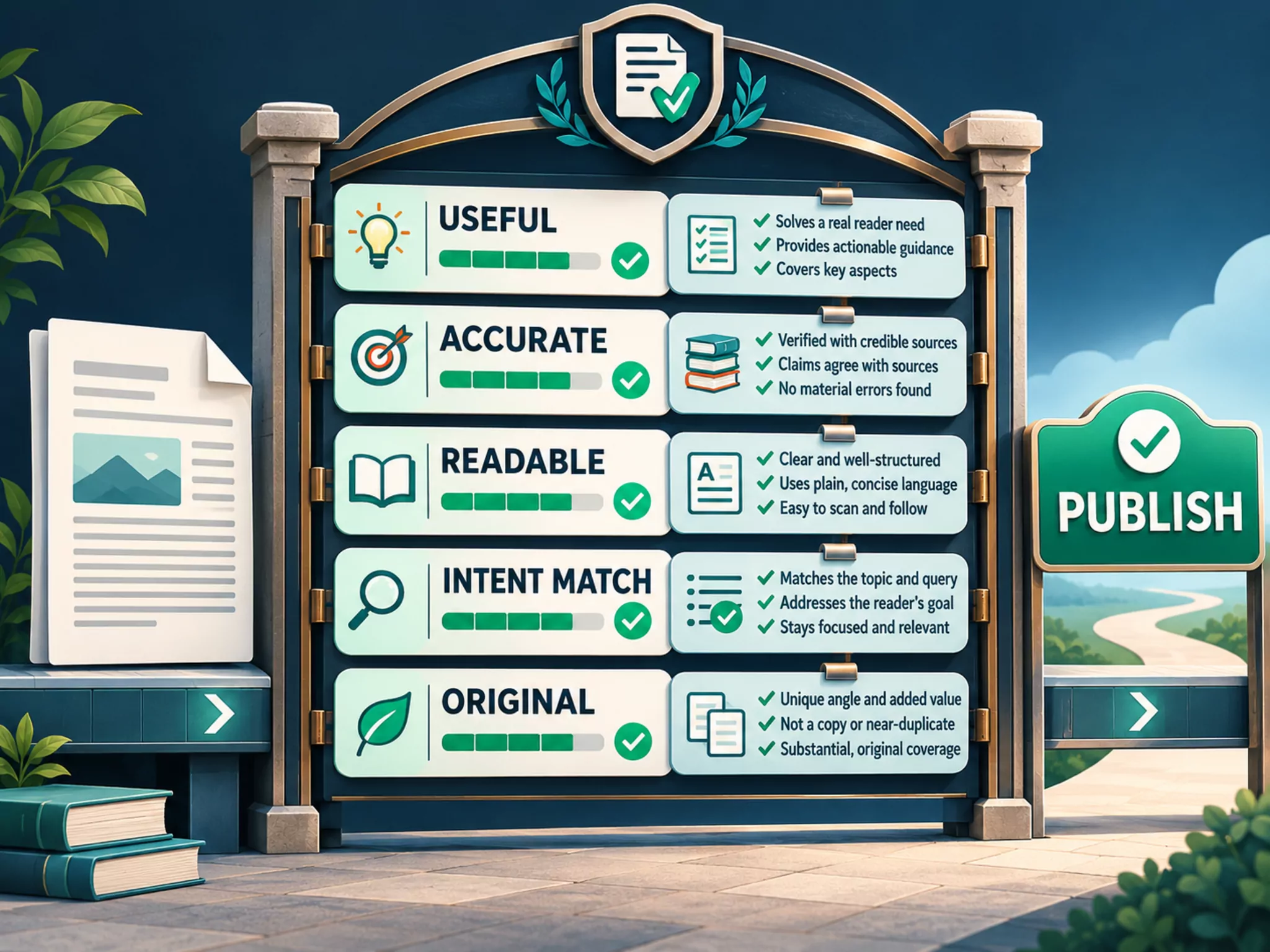
Content is built with a semantic orientation: properly explains the topic, covers related questions, uses consistent terminology and demonstrates the business’s experience. SEO NHANH can assist in creating briefs, page structure, editing, optimizing existing content or coordinating with internal experts to complete information. Published content should be checked for accuracy, usefulness and brand relevance; Do not create mass articles just to increase the number of URLs.
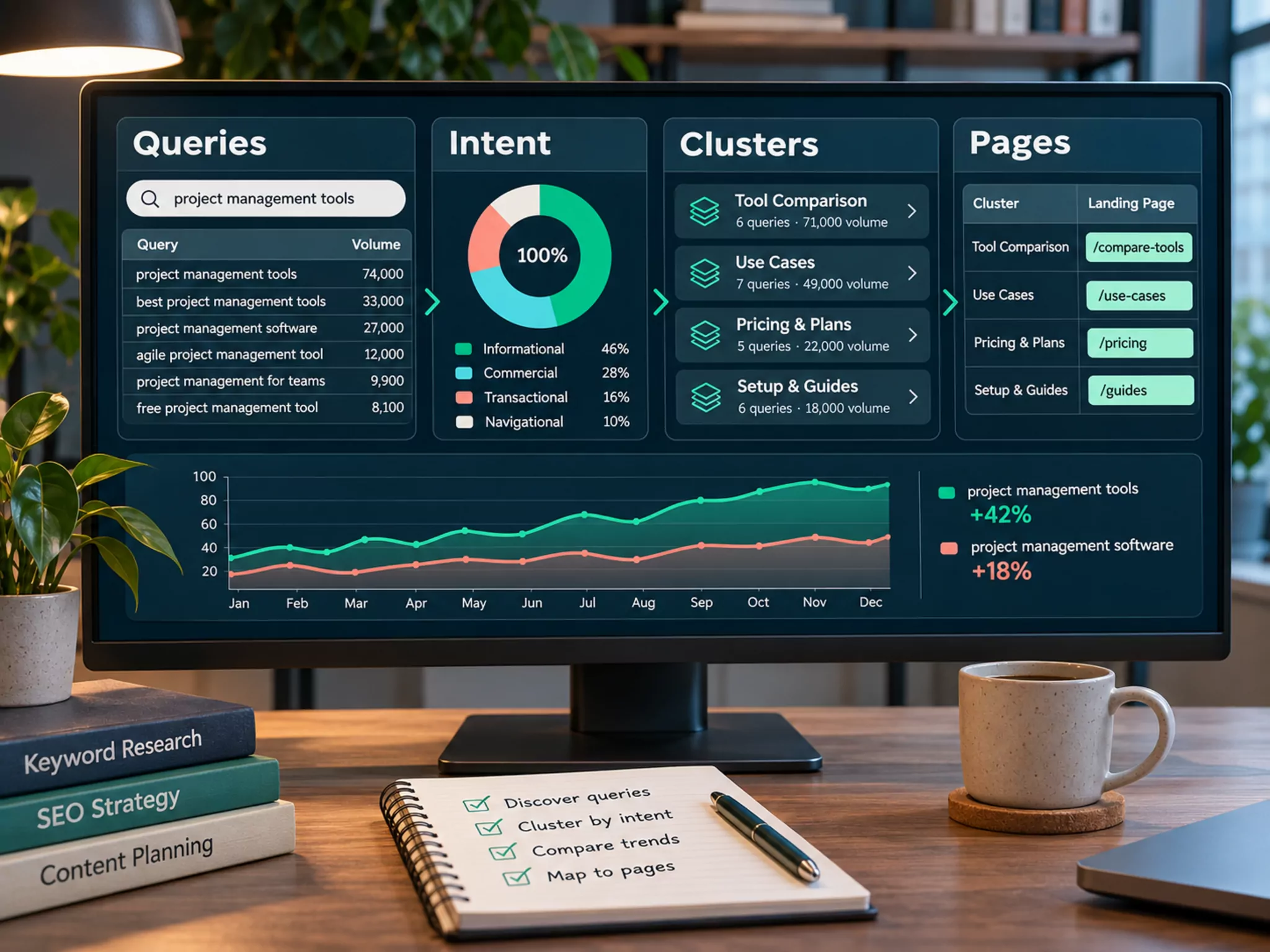
Each important page needs to clearly express the topic through the title, headings, introduction, main content, images and links. SEO NHANH optimizes those components so readers can quickly recognize the answer, while also helping search engines understand the role of the page in the entire website. Internal links are contextually placed to lead users to complementary content, related service pages, or the next contact step. Anchor text accurately describes the destination, does not mechanically repeat the same keyword phrase.
Landing page is evaluated on both its ability to attract and convert. We look at messaging, benefits, evidence, scope of services, FAQs, and CTA placement. If the page has traffic but few consultation requests, it is necessary to check the relevance of the query to the content, whether the information is enough to make a decision, and whether the form has any obstacles. Optimization is based on specific data and hypotheses instead of changing based on emotions.

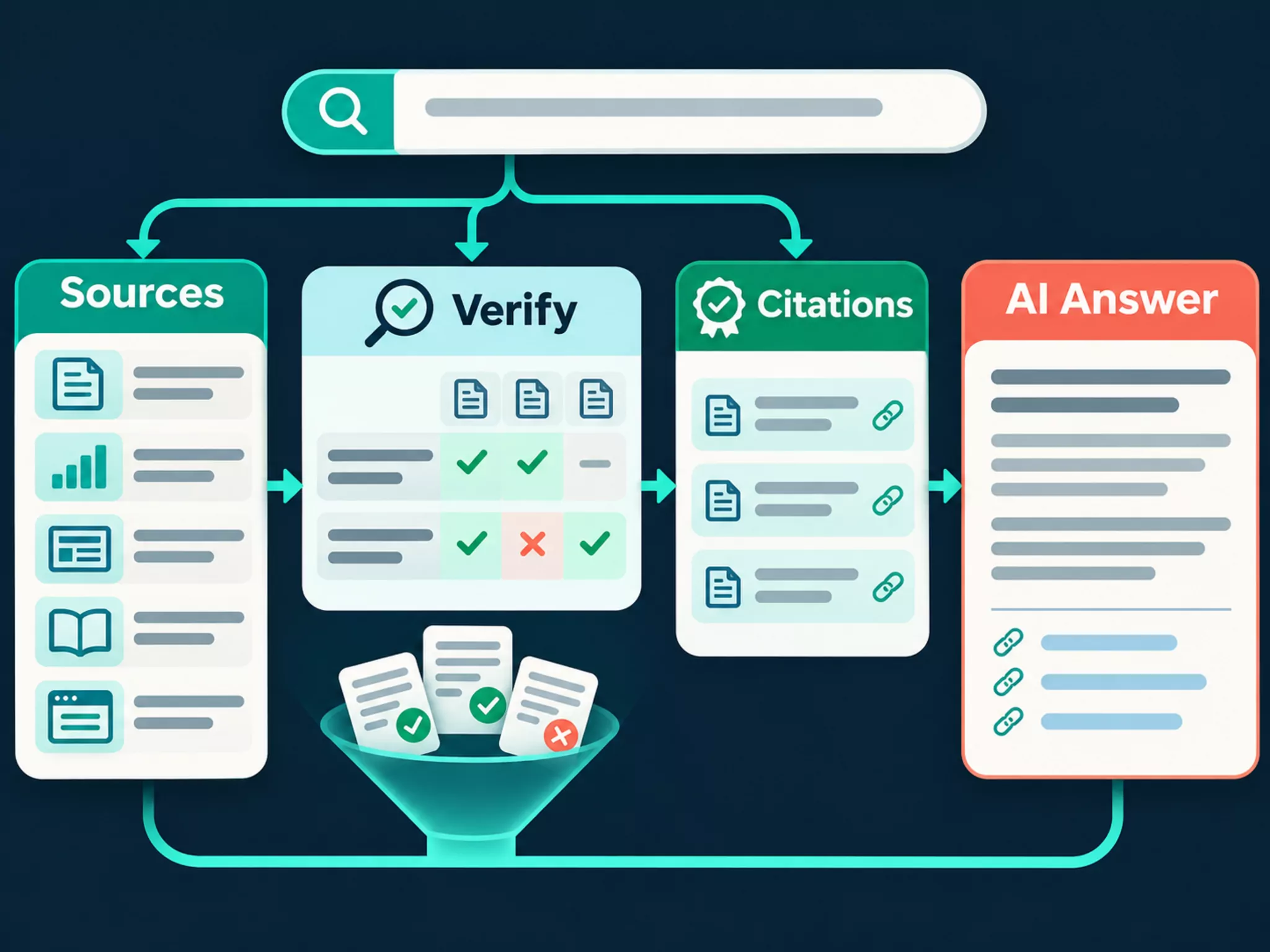
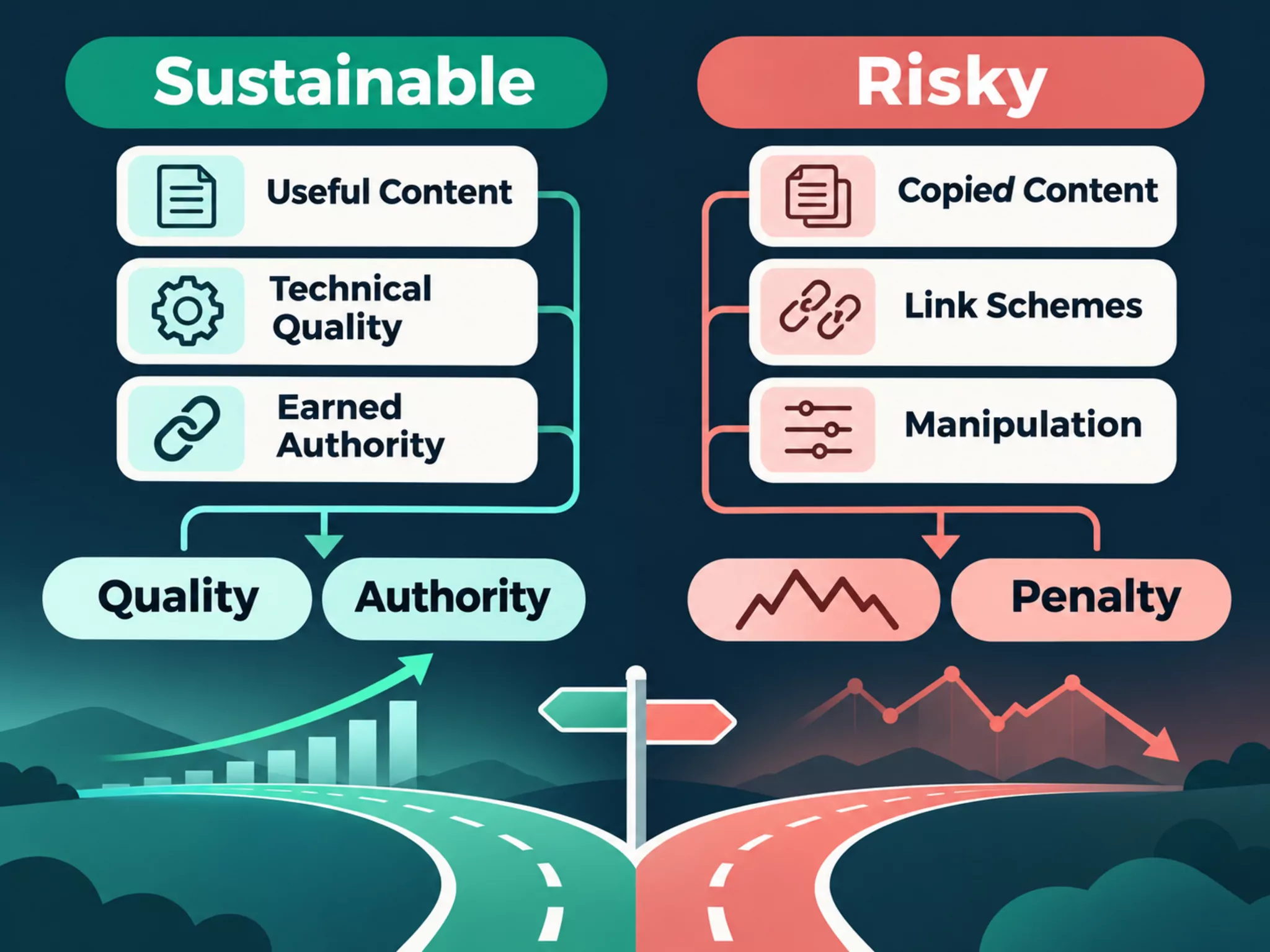
Business credibility is demonstrated through many touch points: consistent NAP information, official brand profile, professional content, partners, communications activities and relevant reference sources. SEO NHANH reviews existing signals, identifies gaps and develops a reputable development plan in a direction relevant to the industry. We do not recommend buying bulk links, creating fake profiles, or using manipulation tactics that can put your website at risk.
Structured data is configured to describe the business, website, services, and content as shown. Schema helps machines understand entities and relationships, but does not replace content quality or guarantee exceptional search results. All information such as address, phone number, social media profile, logo and hours of operation need to be verified before syncing to the website.
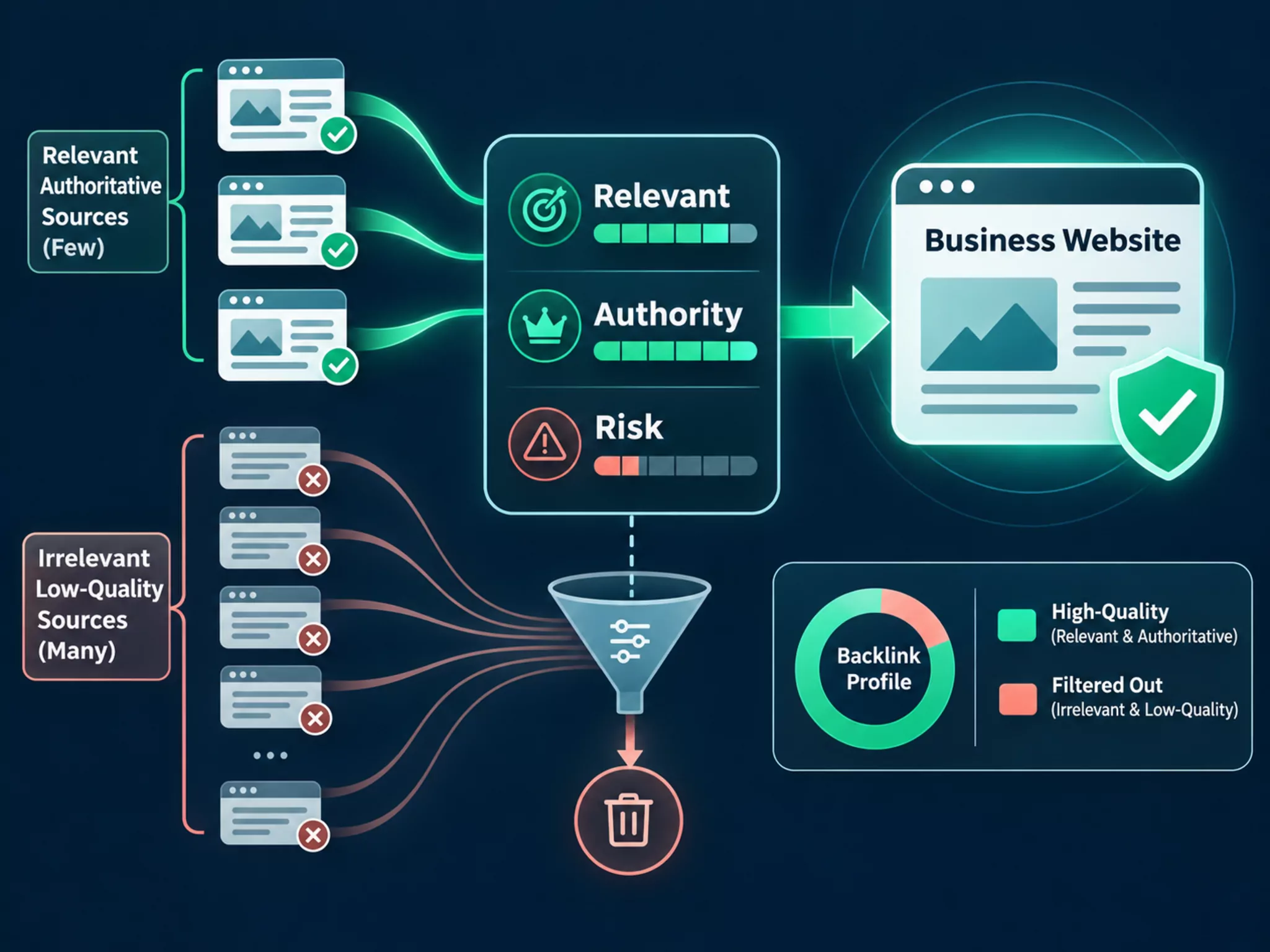
Search behavior is expanding from the list of links to experiences that synthesize the answer. SEO foundations are still important: an accessible website, clear content, consistent business information, trusted sources of expertise, and answers with context. SEO NHANH integrates those principles into an overall SEO strategy, and can be extended to GEO to improve the ability of brands to be understood and cited by AI systems.
GEO services focus on entities, information architecture, lead sources, direct answers and the ability to track brand visibility on relevant surfaces. There’s no way to guarantee every AI model will recommend a business for every question. Therefore, the plan needs to be tied to the customer query team that really cares, measured through many signals and updated according to platform changes. Find out details at page GEO services.
During the project, customers understand the work being done and the reasons for each priority. The report distinguishes delivered outputs from observed results; do not use one ranking index to represent overall business performance. Decisions that require business expertise are made at the right focal point so that information is accurate and progress is not blocked. Scope, work schedule and reporting frequency are agreed upon according to project scale.
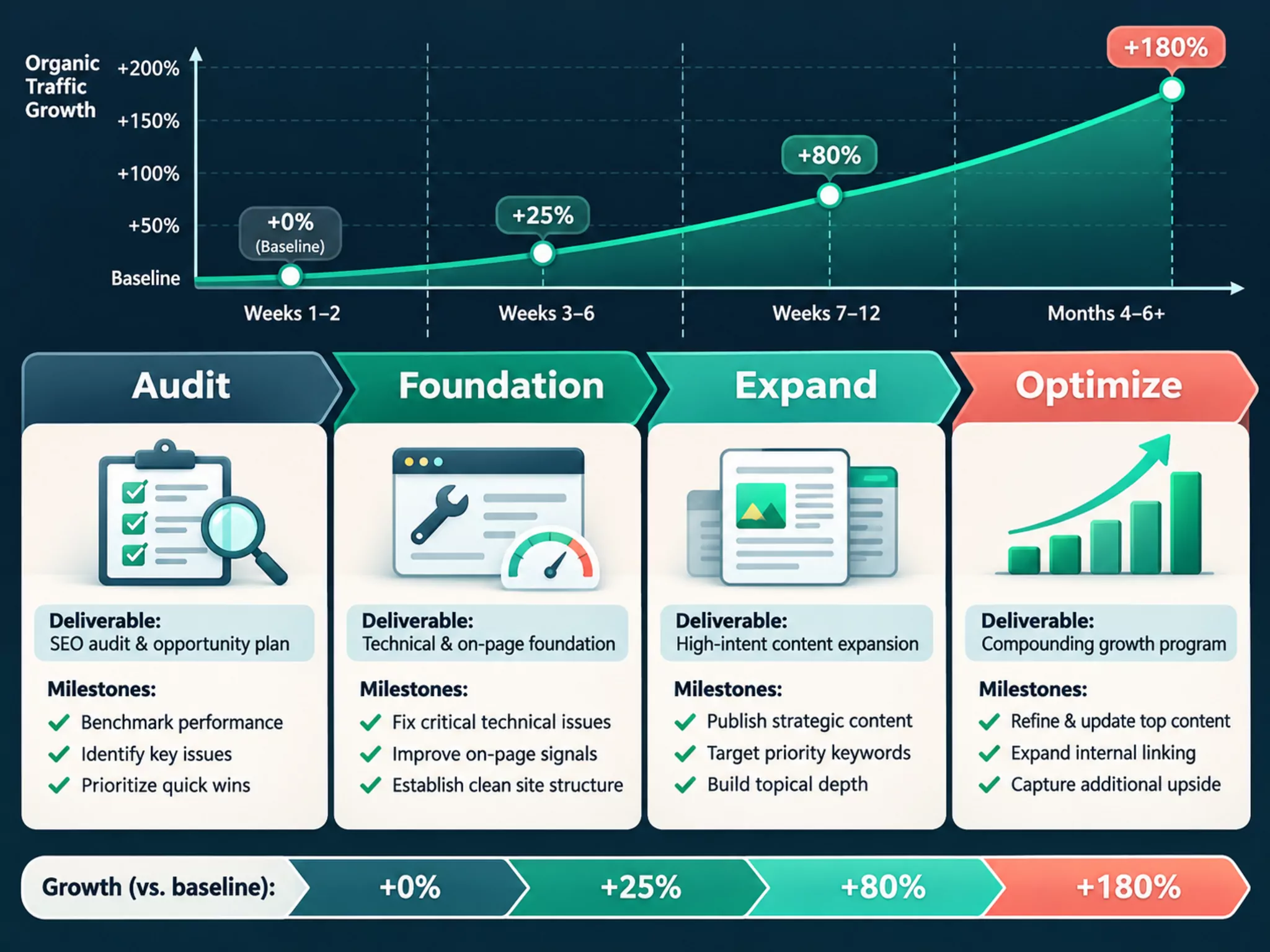
SEO solutions are suitable for businesses with customers who actively research products, solutions or suppliers online; have a website or plan to develop a website; and ready to coordinate expertise, content approval, technical implementation, and conversion tracking. SEO NHANH works with businesses that want to build targeted search channels, improve existing websites or expand content by product and market.
Relevance is determined after understanding goals, markets, and resources. If your business needs immediate revenue while the website is not ready, SEO may need to coordinate with advertising or other sales activities. If there is no one in charge of expertise or the website cannot be updated, the plan should start with the scope that can be deployed instead of committing to large volumes.
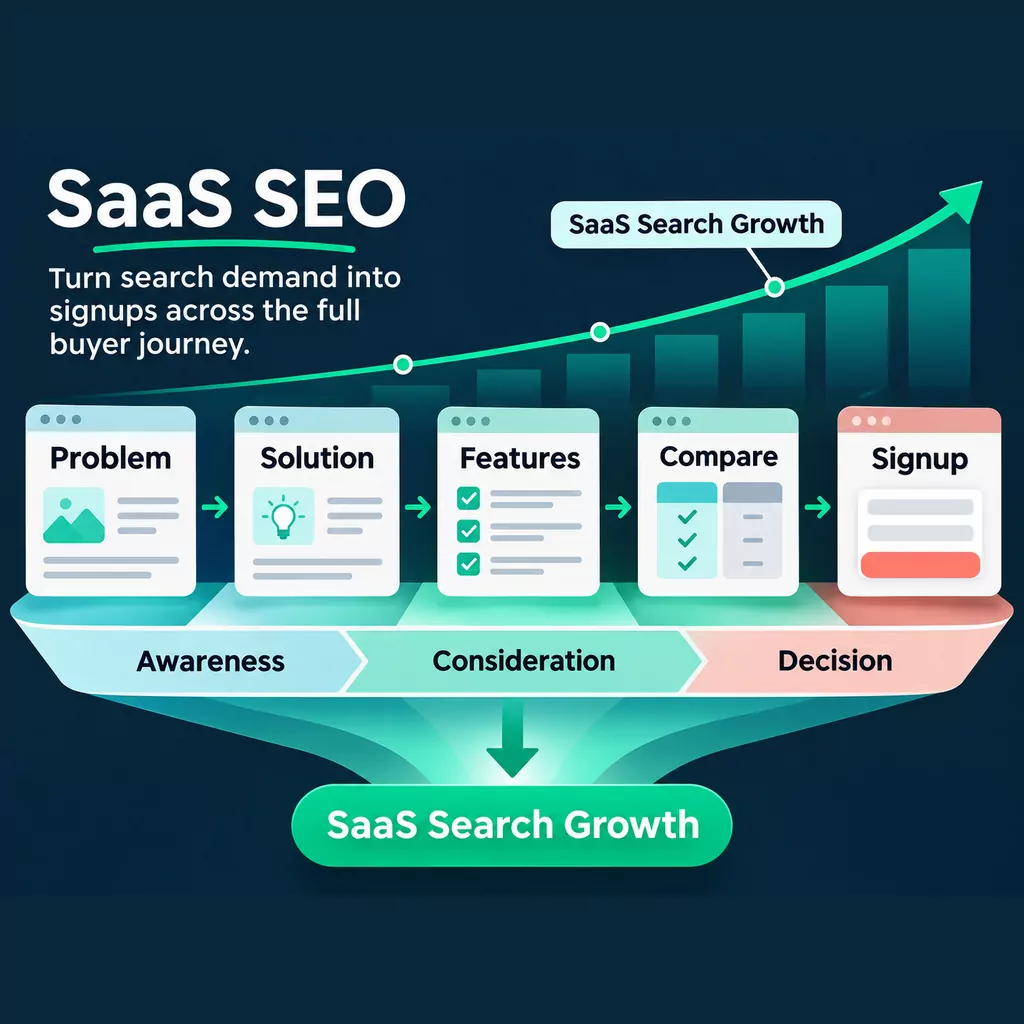
Effectiveness is tracked in multiple layers. The platform team shows whether the website is crawled and indexed stably; search groups show impressions, clicks, CTR, and an expanding set of queries; Conversion teams capture calls, forms, quote requests or orders; The sales team evaluates lead quality and opportunity value. Depending on the project, SEO NHANH establishes a baseline and agrees on how to attach sources so businesses can compare with sales data.
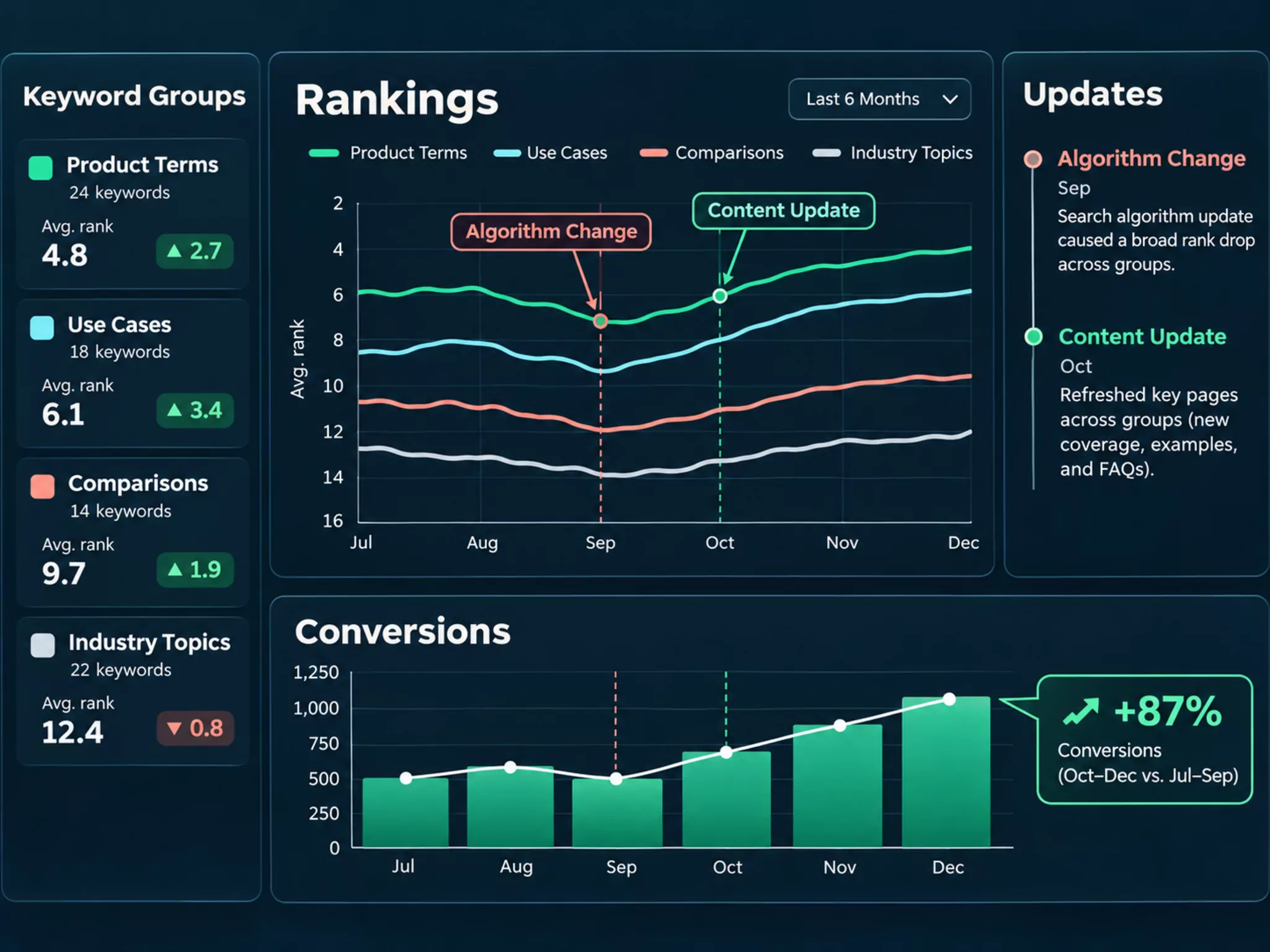
Keyword rankings are a useful signal but vary by location, device, time, and how results are personalized. Traffic can also be influenced by season, brand or campaign in addition to SEO. So the report needs to incorporate URL groups, query groups, release milestones, and conversion metrics. When results do not meet expectations, the team analyzes the cause and makes adjustments: is the content the right intent, is the landing page convincing enough, is the technique hindering, or the coordination process needs to be changed.
When looking for an order For SEO, businesses should evaluate their capabilities through the way that unit analyzes and takes responsibility, not just through advertising. A suitable partner needs to understand business goals, explain why the category was chosen, be transparent with data, present risks, and coordinate with internal teams. Ask clearly who is directly working on the project, what the deliverables are, how KPIs are set, who owns the account and content, and how scope changes are handled.
It’s also important to consider whether the method is safe and appropriate for the industry. Be wary of guarantees of absolute top rankings, fixed numbers of backlinks without explaining the source, mass-produced articles, or reports of only selecting a few growth keywords. A trustworthy SEO unit is ready to say what cannot be concluded, what data is missing and what elements the business needs to coordinate.
SEO NHANH builds cooperation based on those criteria: survey before proposal, agree on scope and data, deploy according to priority, report both results and limitations. We connect technical SEO, semantic content, entities and conversion optimization in the same plan. Customers retain work, data and digital assets according to the agreement; Access rights are assigned by role and can be revoked at the end of cooperation.
Each business has a different starting point, so SEO NHANH does not apply a single template. We discuss directly about the current status, synergies and goals before determining the appropriate scope. Customers own assets and data according to the agreement; Necessary access rights are delegated by role and can be revoked at the end of collaboration. See more information about SEO NHANH or send your needs via the page contact.
SEO costs depend on website size, level of competition, number of product groups, technical status, content needs, target market and the work the customer team can undertake. Strategic consulting projects are different from projects that include content production, technical development, and ongoing optimization. Therefore, the quote needs to come from a survey instead of a number applicable to all businesses.
SEO NHANH’s proposal clarifies the implementation items, deliverables, responsibilities of each party, reporting cadence and parts not included. Businesses can start from an audit or a priority period to check suitability before expanding. To get a plan that is close to your website, prepare your domain name, business goals, key products and service areas, then schedule a discussion.
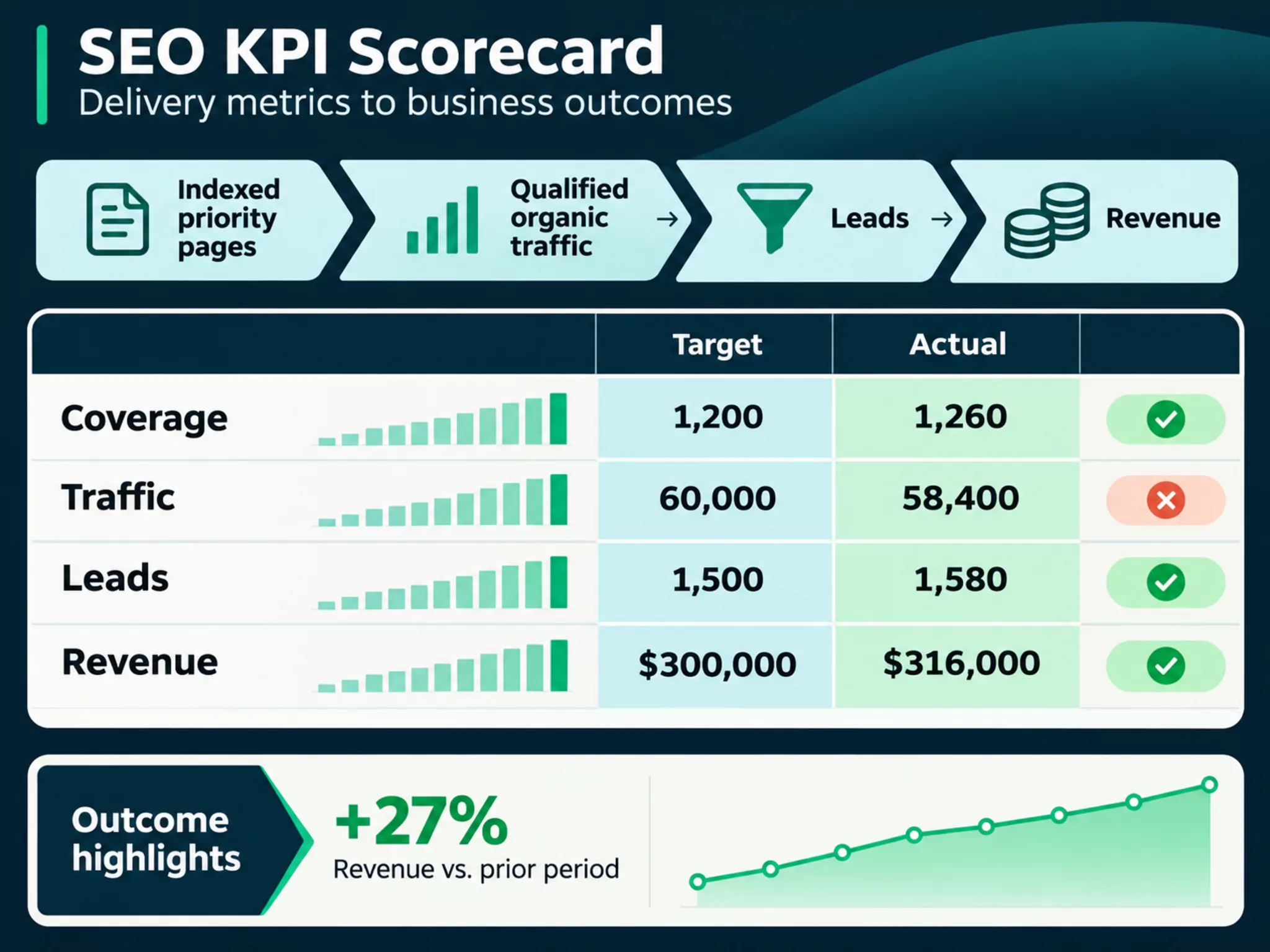
SEO NHANH does not sell instant ranking guarantees. We survey the website, identify opportunities, agree on the scope and implement in order of priority. Ranking is influenced by the current state of the website, competition and how search platforms evaluate content; therefore, the project tracks both platform quality, visibility, relevant traffic and conversions instead of promising an absolute position.
Depending on the goal, the scope may include audit, keyword strategy, technical SEO, information architecture, semantic content, on-page optimization, internal linking, entity, schema, improve landing pages and measure conversions. After surveying the website, SEO NHANH recommends appropriate items and specific implementation order.
Maybe. With a new website, the project often prioritizes platform structure, crawling and indexing capabilities, page categorization, search demand research, measurement setup and content planning. The specific scope depends on the platform, products and resources of the business.
There is no common milestone for every website. Some technical improvements may be noted early after the search engine recrawls the page; Growth in queries, traffic and conversions often takes more time. SEO NHANH sets evaluation milestones based on data and adjusts when there is enough signal.
Revenue and leads are influenced by selling price, product, brand, competition, sales experience and many other channels. SEO NHANH can unify tracking, project goals and delivery quality; The specific level of commitment needs to be based on data, control rights and terms agreed upon by both parties.
Usually need a decision-making focal point, someone to provide professional information, the ability to review content and support website development when needed. Response speed and data access directly impact progress. Requirements are agreed upon when planning.
Paid advertising buys visibility according to budget and campaign configuration; SEO builds organic reach through technique, content, and authority. The two channels can work together: advertising supports message or demand testing, while SEO develops cumulative search assets. The choice depends on your goals, time and budget.
Yes. SEO NHANH deploys GEO services to support brands and content that are easily understood, retrieved, and cited by AI systems. GEO complements foundational SEO, does not replace technical SEO, useful content or brand reputation.
Send your website, preferred product groups, markets and targets via the contact page. The team will discuss the current status and determine appropriate survey steps. The first session focuses on understanding needs; Don’t assume every business needs the same service package.
SEO (search engine optimization) helps search engines understand a website and helps people find pages that match their needs. It commonly involves crawlability, site structure, useful content, links and usability. For a business, the goal is not simply to raise rankings: it is to reach relevant customers, answer their questions and create opportunities to enquire or buy. Performance should be evaluated with search data and business conversions, not only a few keyword positions. No SEO activity guarantees that a particular page will be indexed or rank in a specific place.
SEO NHANH is a brand providing SEO, GEO and search-growth consulting and implementation for businesses. Its name is not a promise to rank keywords within a fixed period. “Fast SEO” describes prioritizing work: diagnose the main constraints, focus on pages and tasks with meaningful impact, coordinate responsibilities, and measure progress for iteration. Timing and outcomes still depend on the website, competition, available resources and how search systems process changes. Businesses looking for a defined scope can review our SEO services page.
The website may be experiencing technical difficulties, lacking content for customers, not converting visits into consulting requests, or not knowing which opportunities to prioritize. SEO NHANH evaluates the current status, clarifies business goals and builds a deployment roadmap according to products, markets and actual resources. Businesses can start with an audit, complete key service pages or build an overall SEO plan in stages.
Talk to SEO NHANH to receive clear direction for your website, products and market. See details overall SEO solution, explore GEO services or contact SEO NHANH to get started.
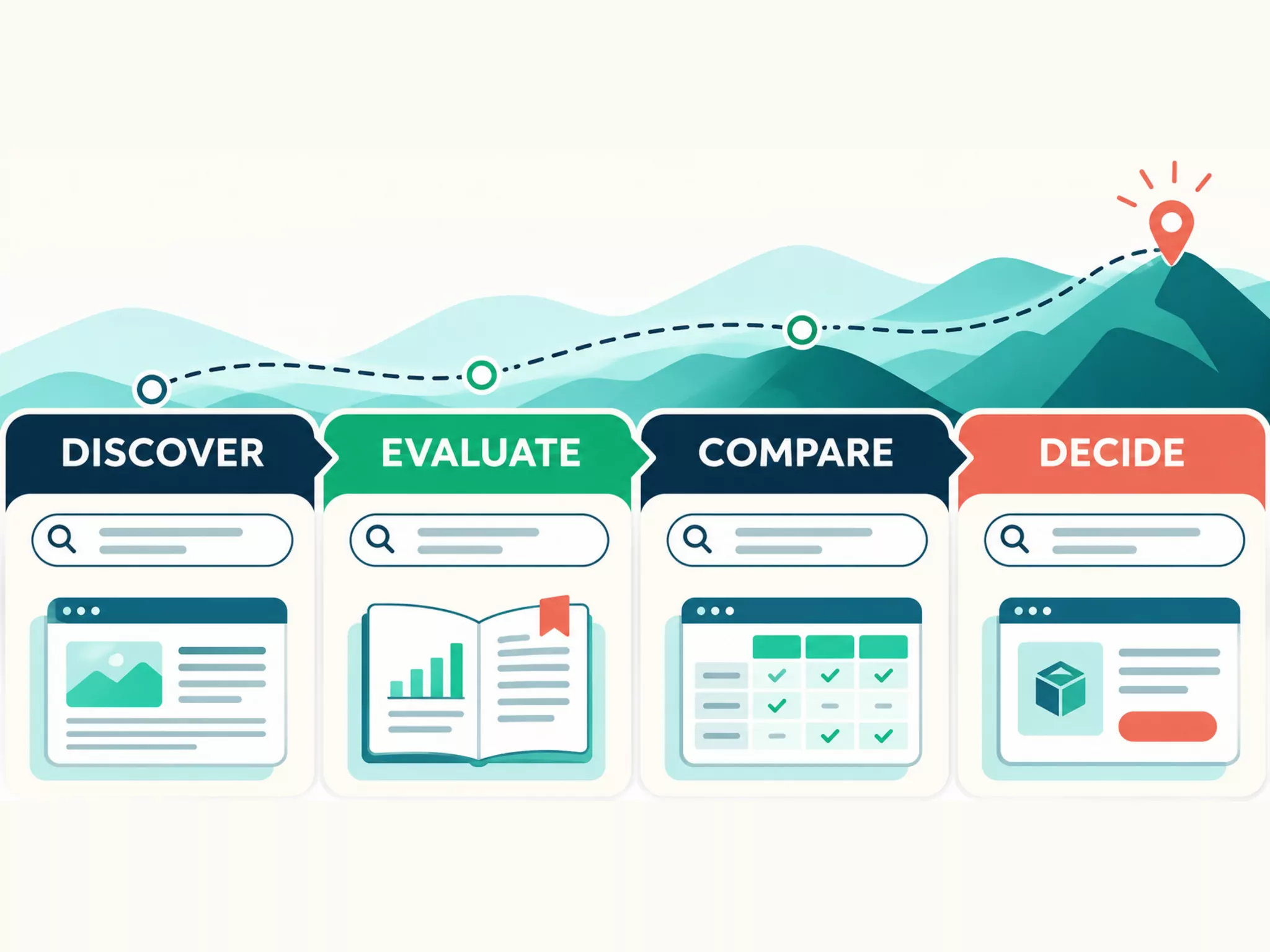
Each search starts with a specific need: understanding a concept, finding ways to solve a problem, comparing options or choosing a supplier. SEO NHANH researches customer language, frequently asked questions, query data and industry context to determine where a business should appear in that journey. Research results help select the right types of pages, from how-tos and solutions pages to service pages, product categories or content that supports buying decisions.
The team matches search needs with the products, capabilities and information the business can provide. Instead of copying competitors’ content, SEO NHANH looks for questions that lack answers, points that customers often wonder about, and evidence that businesses can provide. From there, the content both meets what the reader wants to know, demonstrates real expertise and leads to the right next step, such as viewing the solution, understanding the process or talking to the consulting team.
This research also helps assign roles to each URL so that each page has its own goal. The home page introduces SEO NHANH and service orientation; The SEO solutions page presents the scope, process, and appropriate audience; specialized articles that answer specific problems; Contact page helps customers discuss needs. A clear structure helps readers easily go from researching to choosing, while limiting multiple pages on the same website competing for the same content.
SEO NHANH combines consulting and implementation so that businesses do not have to piece together each item separately. From the initial research session, the team clarified the product, market, target customers, competitive advantages and growth goals. This information forms the basis for your search strategy, content organization, technical priorities, and coordination plan. Business identification information, NAP and online profiles are also reviewed so that important touchpoints are presented consistently.
In the SEO solution, SEO NHANH clearly identifies the work to be done, expected output, each party’s responsibilities and how to follow up. Depending on the website status, the project can focus on audit, technical SEO, content architecture, service pages, internal links, entities or conversion measurement. Businesses know why an item is prioritized, what content needs internal experts to confirm, and what changes need to be coordinated by the development team.
When choosing an SEO unit, businesses need a partner who can explain decisions and work transparently. SEO NHANH communicates data, limitations, risks and dependencies instead of just reporting a few rankings increases. Plans are adjusted according to goals and actual progress; Accounts, content and access are managed according to the agreement. This way of cooperation helps the customer team understand the work, stay proactive with digital assets and evaluate the value of each stage.
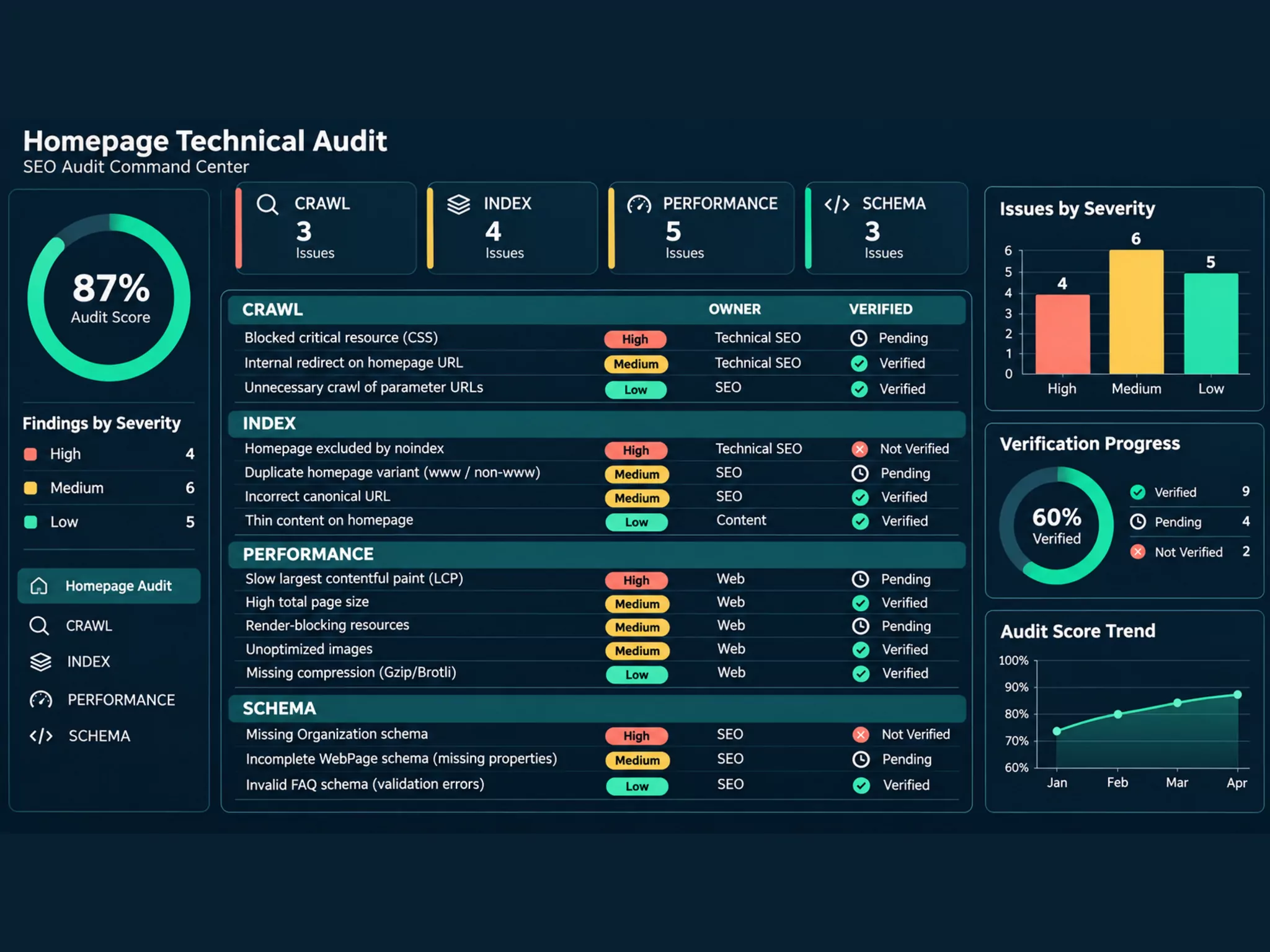
Audit should not be an automatic export containing hundreds of warnings without any content. An effective process starts with the goal: does the business want to increase leads, sales, presence in a region or the ability to launch a new product group? From there, experts look at the URLs that create value, how users reach them, and the bottlenecks that are likely to have an impact. An alert should only be prioritized when there is evidence, expected impact, and a viable response.
The technical side can look at HTTP status, redirects, canonical, sitemap, robots, resource load capacity, broken links, orphaned pages, duplicates, and structured data. The content section looks at topic coverage, intent relevance, missing information, internal competing pages, and outdated content. The measurement section looks at Analytics systems, events, conversion sources, and data quality. Each item needs to clearly state the sample URL, evidence, level of impact, person in charge and how to confirm after completion.
SEO NHANH distinguishes serious hindering errors from suggestions for improvement. Websites may have warnings that do not require immediate action if they do not affect the user or their ability to understand the content. Conversely, an error form submission or noindex service page may need high priority even if the audit tool does not flag it as critical. After deployment, the team retests on the appropriate environment, records release dates, and tracks data changes. Thus, the audit becomes an action loop instead of a static document.
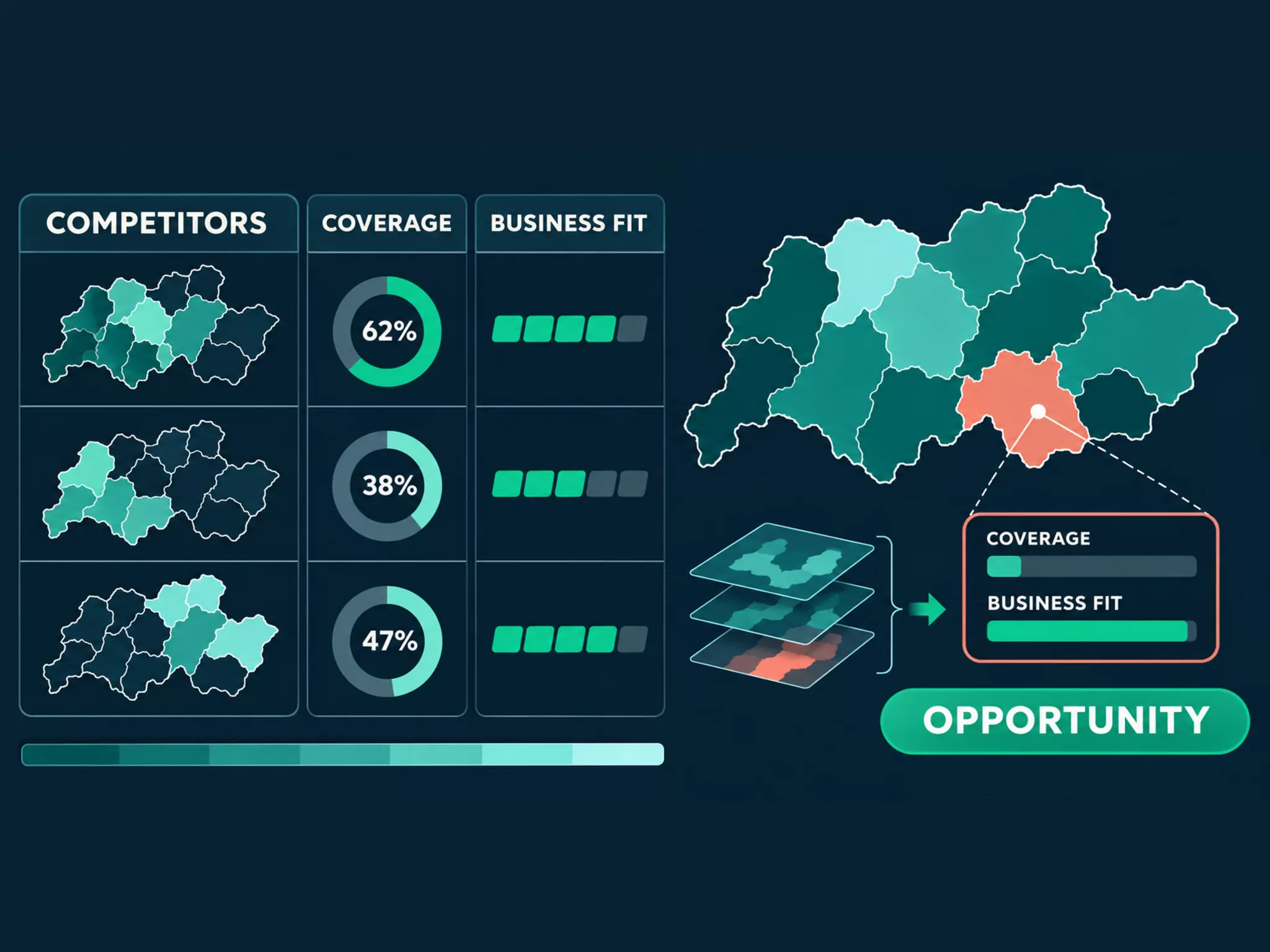
Competitor research in SEO doesn’t stop at recording their current keyword list. It is important to identify direct competitors in search, as they may be different from traditional business competitors. A commercial site, professional organization, or publisher may capture results for the topic even though it doesn’t sell the same products as the business. Analysis should clearly separate competitor type, query group, page format, expertise signals, content strengths, and unanswered needs.
The team can compare page depth, navigability, question scope, lead sources, evidence, mobile experience, and connection to conversions. The goal is not to create a longer page than your competitors at any cost. If the results are showing practical instructions, a page that only advertises services may miss the intent. If the customer needs a quote, a long theoretical article without information about the scope of implementation is not enough.
A good gap is the part the business has the ability to fill in with data, experience or clearer explanations. It could be a checklist, for example a process that has hidden sensitive information, a solution options table, expert answers or local information that your competitors don’t have. SEO NHANH acknowledges the data source and survey date to avoid treating fluctuating results as fixed facts. The opportunity is then scored according to relevance, ability to execute, effort, and connection to business goals.
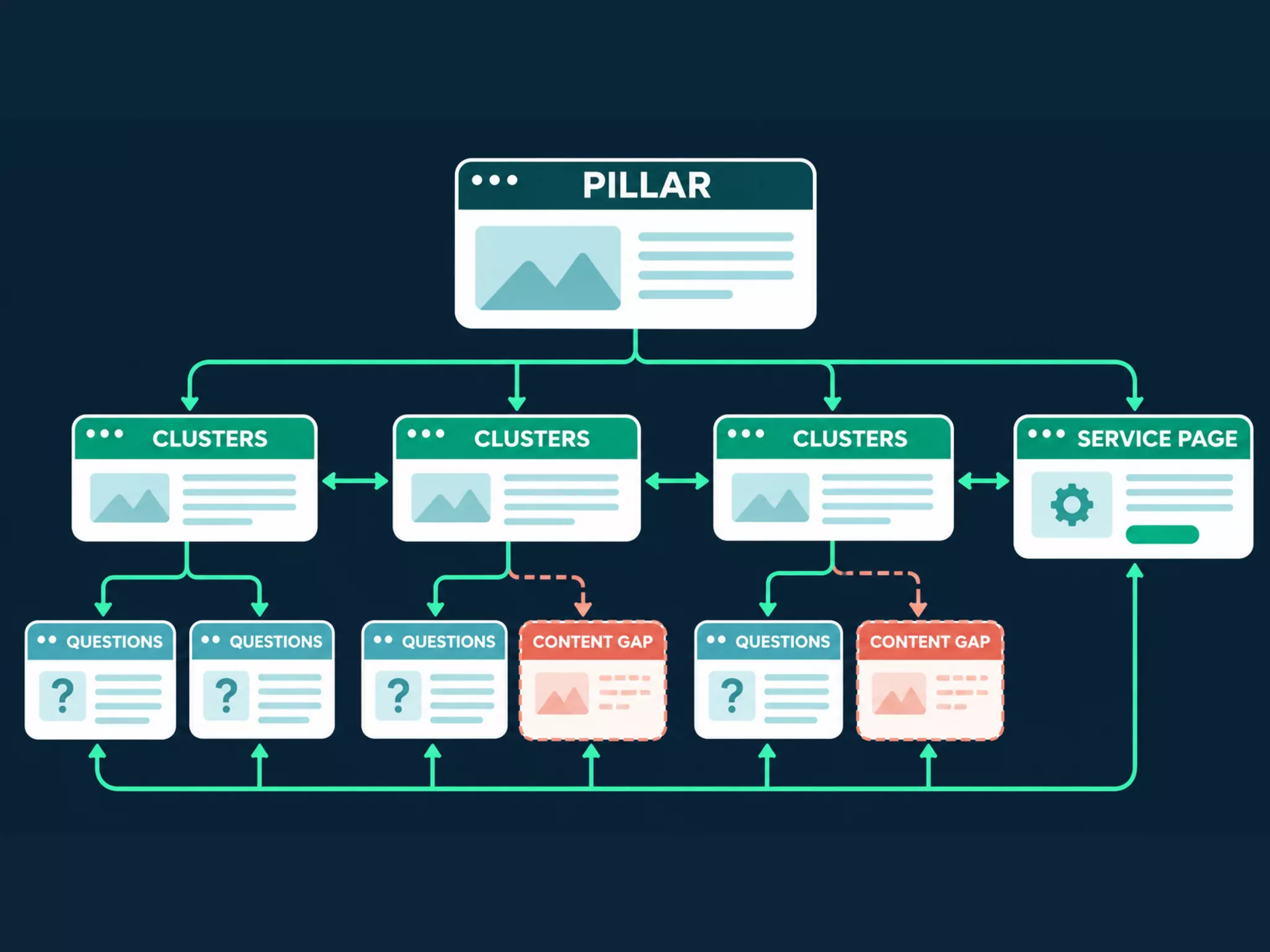
A keyword map is a document that connects search demand with website architecture. A useful flow should have subject, sample query, intent, audience, current destination URL, suggested URL, priority, and responsible person. Include natural language variations, questions, industry terms, and product names. Lumping all queries that share the same word into the same group can mask differences in need; On the contrary, separating each variation into a separate article easily creates many thin pages.
URL roles help know which pages are central to a topic, which pages support and which points need linking. If two pages answer the same intent, a decision needs to be made to merge, separate perspectives, or adjust the purpose of one page. Each change should check traffic history, backlinks, conversions, and index status before removing or redirecting. Do not change slugs in bulk just because you want to add keywords to the URL.
The map is not a frozen list. Customer search needs, products, seasons and calling patterns may change. SEO NHANH reviews periodically or when there are signs such as new queries, pages with increased impressions but low CTR, two competing URLs, product launches or website structure changes. When updating, it’s important to save the version and reason so internal teams understand why the URL was assigned that role. This approach reduces duplication and helps internal linking be logical.
A good content brief helps writers understand the purpose of the page and the limitations of the information, rather than turning the article into a keyword-filled form. The brief should state the audience, the problem they need to solve, the decision-making stage, the message to convey, the questions to answer and the next action. It is necessary to identify which internal experts are responsible for verification, which data sources are allowed, which claims require proof and which cannot be speculated.
For service pages, the brief may require a description of starting conditions, scope of work, outputs, customer dependencies, limitations and reporting methods. For tutorials, it is necessary to state the application conditions, step-by-step procedures, common errors and how to confirm results. The heading structure is built to lead readers logically, not to include every secondary keyword in the title. Related entities should only appear when concept clarification is needed.
Brief also needs acceptance criteria. For example, content must distinguish SEO from advertising, explain terminology the first time it is used, link to the original document when providing technical information, use illustrations with captions, check spelling, and confirm CTAs work. If the content touches on areas of legal, financial or health risk, it needs to be reviewed by a qualified person. A clear moderation process protects both readers and brands.
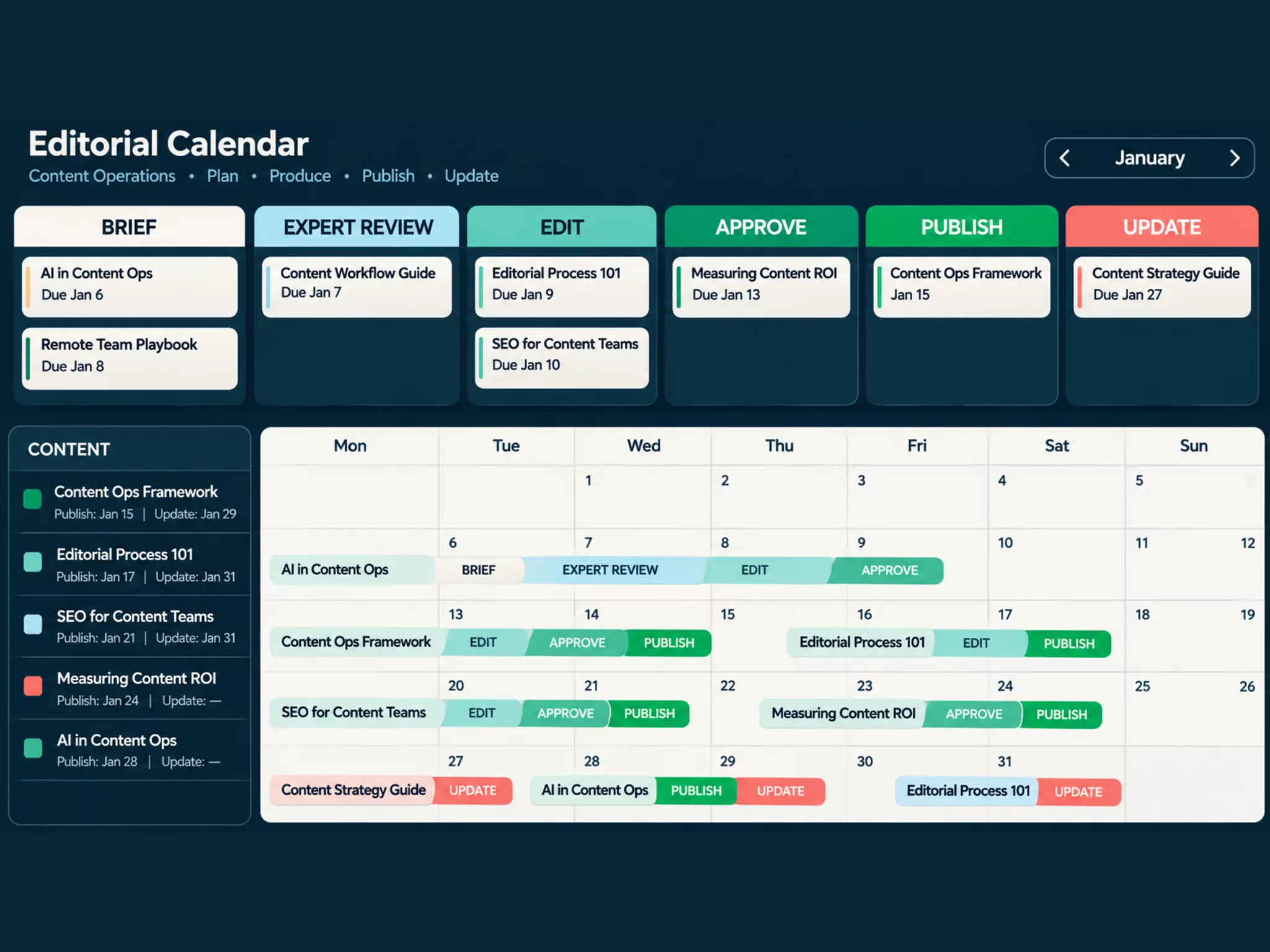
Expert content should have an editorial lifecycle with an owner. Writers draft the structure, experts confirm terminology and facts, editors check for coherence, SEOs check findability, and the web team checks visibility. It is not necessary that multiple people edit every sentence, but responsibilities need to be clear to avoid a paragraph being edited over and over again without anyone acknowledging it. For important updates, it’s a good idea to save the review date and key changes.
Verification is more than just adding reference links. It is necessary to confirm that the source is authoritative for the claim, that the document is still valid, to what country or platform the data applies, and that the reader can understand the context correctly. If the business describes project results, it must have the right to publish and not disclose personal data or confidential information. When you can’t disclose evidence, state the scope of your experience instead of making up numbers.
After publication, content continues to be monitored. Sales inquiries, customer feedback, Search Console queries, and product changes can provide input for further revisions. The update schedule should be based on the volatility of the topic, not requiring every article to be edited every month. SEO NHANH recommends recording the date of the review so the team knows what content has been validated recently and who can provide updates.

A quality site should answer readers’ questions with information that is accurate, contextual, and usable. The length itself does not guarantee that. Before adding a paragraph, editors should ask how this paragraph helps readers understand, choose, or act better. If the explanation repeats what has already been said, uses adverbs instead of evidence, or infers results, it should be rewritten or omitted.
The page also needs to show who is responsible and why the information is trustworthy. With SEO NHANH, brand content needs to distinguish what the business directly provides from the general perception of the market. When talking about the process, describe the actual work that can be done and what is required from the customer. When stating results, avoid making promises that the team cannot control. This clarity is beneficial to buyers comparing vendors, even if it makes an offer less ostentatious.
Readability is also part of quality. The paragraph should have one main idea, headings that reflect the content below, tables used for appropriate comparisons, and terms explained where necessary. Images should add information rather than repetitive decoration; caption helps readers understand why the image is there. Mobile content should have enough contrast, not be cropped, and not require zooming in to read. SEO NHANH considers both the semantic structure and the actual experience.
Photos in an in-depth article should explain a process, represent data, show relationships, or illustrate a difficult concept to express. A large photo library does not mean a better article if the images are repetitive or do not help the reader. SEO NHANH uses the diagrams in this text to summarize work flows; The caption states the meaning of each image, while the alt describes the visual content in case the image does not load or the user uses assistive technology.
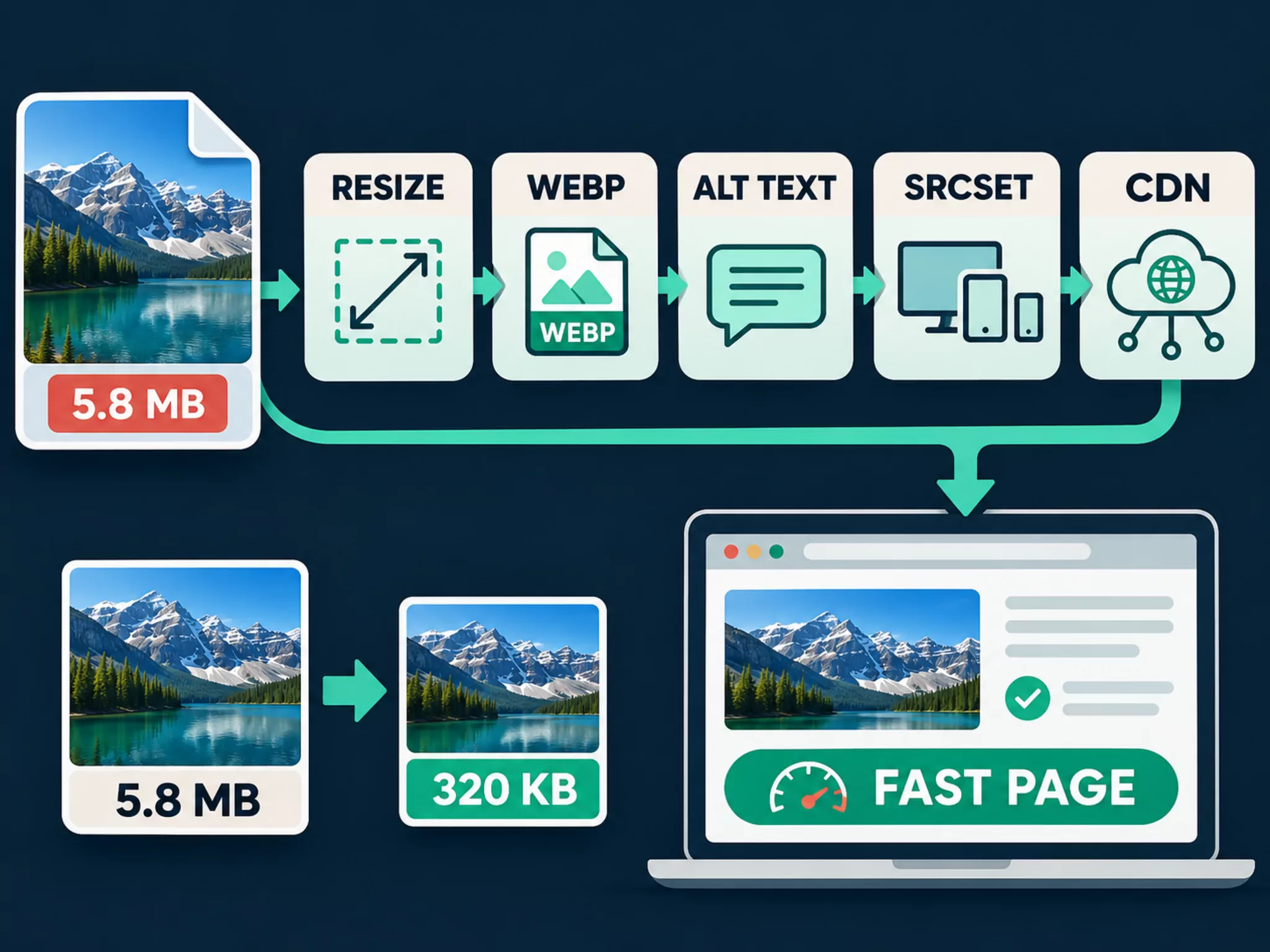
Alt text should be short, specific, and based on what is actually in the image. Don’t include a keyword list in the alt attribute, don’t repeat the entire caption if the caption is already visible near the image, and don’t declare data that the diagram doesn’t show. For decorative images that do not add information, empty alts are more suitable than long descriptions. Images containing important text need to have equivalent text in the page content so that the information does not exist only in bitmaps.
Image size needs to match the display location and be compressed to avoid making the page heavy. Images below the header load late; Width and height dimensions help the browser reserve space, reducing layout shifting. The caption is centered according to design requirements, but the contrast and font size must still be easy to read. If an image has small details, make sure the desktop version is not the only way to understand the content; description can be supplemented with a list or adjacent paragraph.
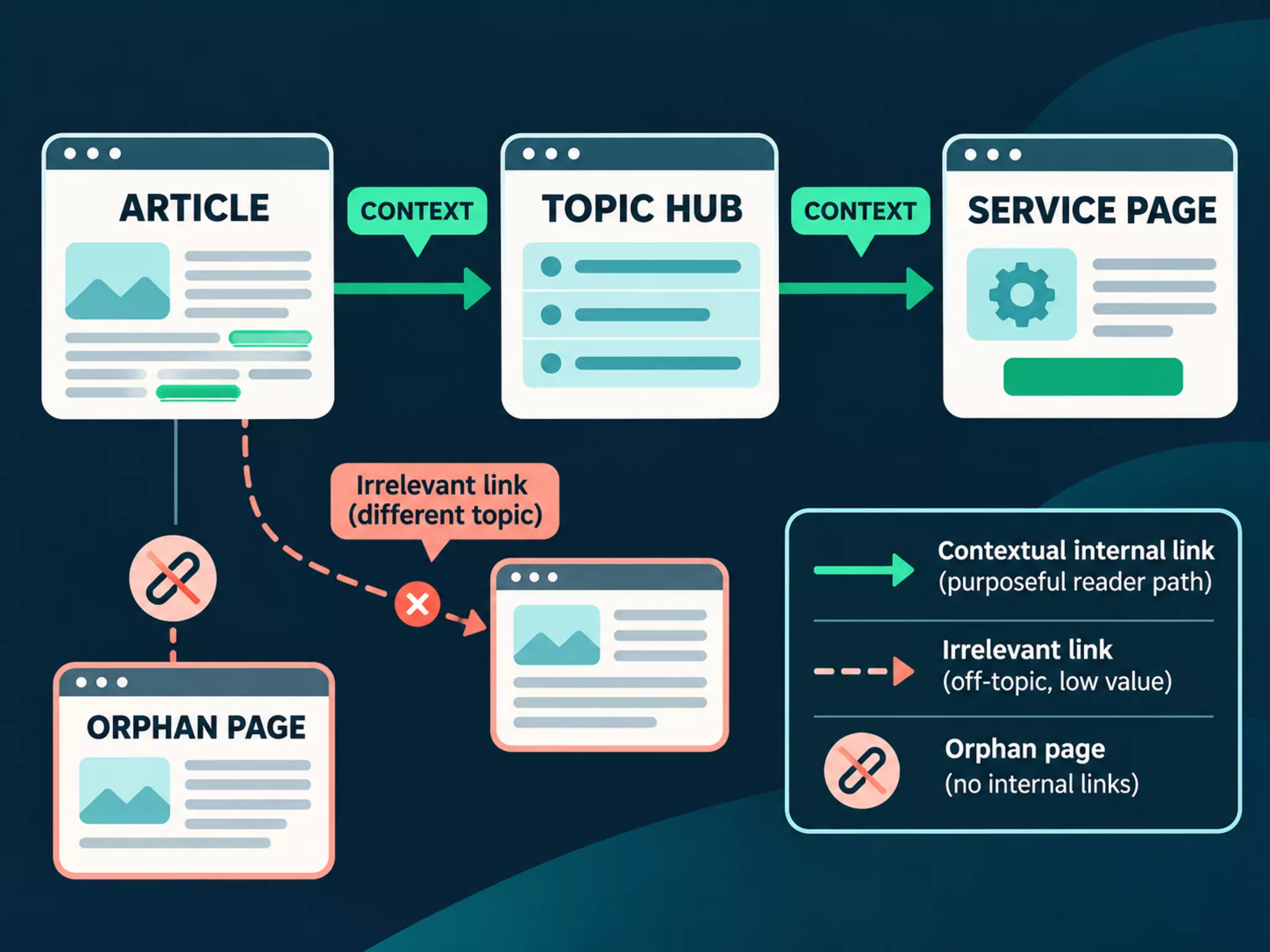
Internal links help readers discover related information and help the admin team show relationships between topics. A useful link is placed at the point where the reader may need a more in-depth explanation, not inserted into every sentence containing the keyword. Anchor text should say what the target page is about. The links between the home page, SEO solutions, GEO services, about and contact need to be consistent with the menu structure so users can always find their way back.
Link architecture can start with the pillar page and then open up to supporting articles, but not every website needs a hard model. It’s important to see whether clicks from important pages, orphan pages, broken links, and navigation reflect how customers find information. When moving or merging content, old links should be updated to avoid redirect chains and wrong destinations. Changes should be tested on both desktop and mobile.
Links to service pages should appear when the context indicates the reader is interested in understanding a commercial solution. Link to the right tutorial when they need to learn more on their own. SEO NHANH does not use infinitely repeated exact anchor text to manipulate rankings. Page categories and navigation structures need to serve real-life tasks: understanding the brand, assessing capabilities, exploring implementations, and finding necessary contact information.
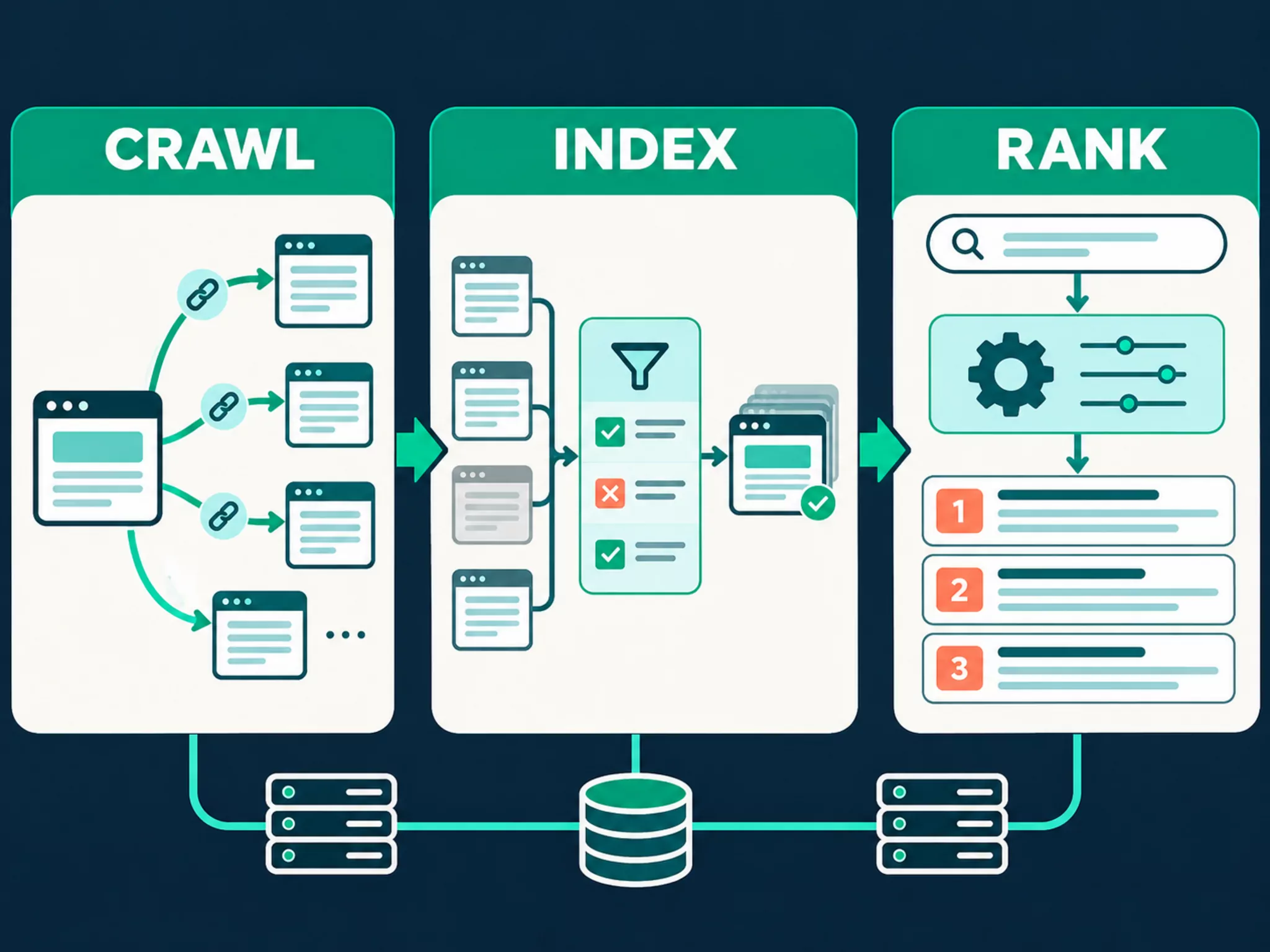
For a page to have a chance of appearing in search results, the system needs to detect and access the URL, process the content, and then decide whether to index the page or not. Sitemaps can help highlight important URLs but do not replace link structure. Robots.txt controls some crawling activities, not a tool to remove URLs from the index. Meta robots, canonical, and server response have different roles, so they need to be configured consistently.
Checking should start from the important URL instead of fixing the entire website according to a general warning. See response codes, redirect strings, declared canonical, mobile rendering, links to pages, and status in search admin tools. If content is loaded via JavaScript, it is necessary to confirm that the main body of content appears in the render and does not depend on inaccessible user interactions. Filter or parameter pages need a clear crawl policy, especially when creating multiple similar URLs.
After releasing a technical change, it’s a good idea to check both the sample set and specific important URLs. A wrong redirect can redirect many valuable pages to the homepage; A noindex in a template can affect the entire category. SEO NHANH recommends using a staging environment for large-scale changes, having a pre-release checklist, and monitoring post-deployment error logs. This reduces the chance of a local optimization damaging site-wide accessibility.
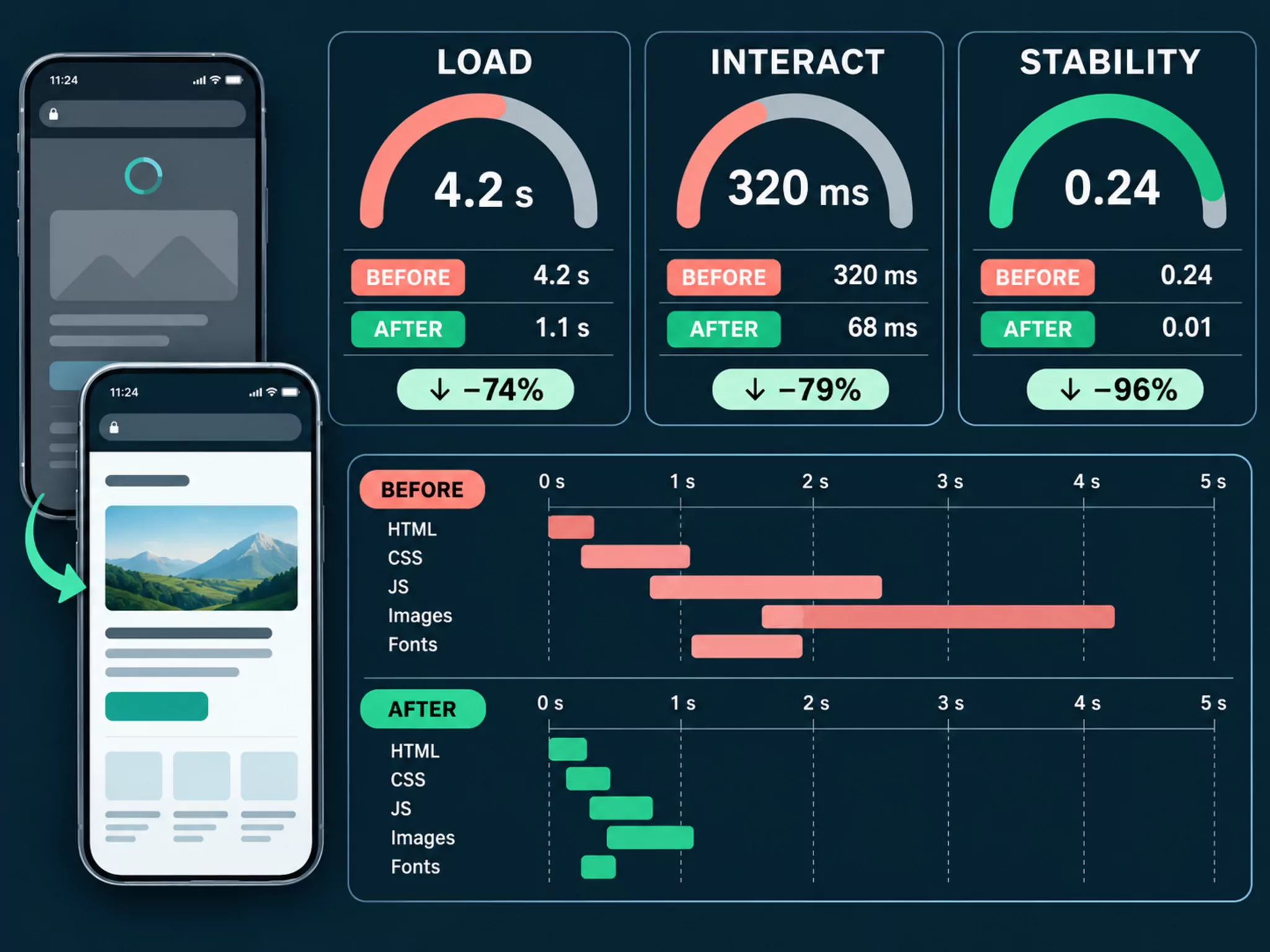
Speed needs to be viewed from the user experience, not just a lab score. The page may load quickly on an office computer but slowly on mobile networks or low-end devices. Teams should measure important sample pages, identify slow resources, and then prioritize verifiable improvements. Image sizes that are too large, unnecessary JavaScript, display-blocking fonts, and slow server responses are areas that may need to be checked depending on the system.
A stable experience also has to do with layout. Photos need to declare their size, banners should not push content after loading, buttons must have an appropriate interactive area and text should not overflow from the screen. On long homepages, lazy loading of images at the bottom helps reduce the initial load data, but should not be applied in a way that delays the important first image. It is recommended to test at common screen sizes and check keyboard operations.
SEO NHANH separates performance improvement from chasing absolute scores. The goal is to remove meaningful friction for users and ensure core pages respond consistently. When plugins, themes, or custom code create conflicts, it is necessary to measure before and after the change to see the real benefits. Image optimization, caching, CDN or code splitting must be chosen according to the website architecture; There is no single configuration that works for all platforms.
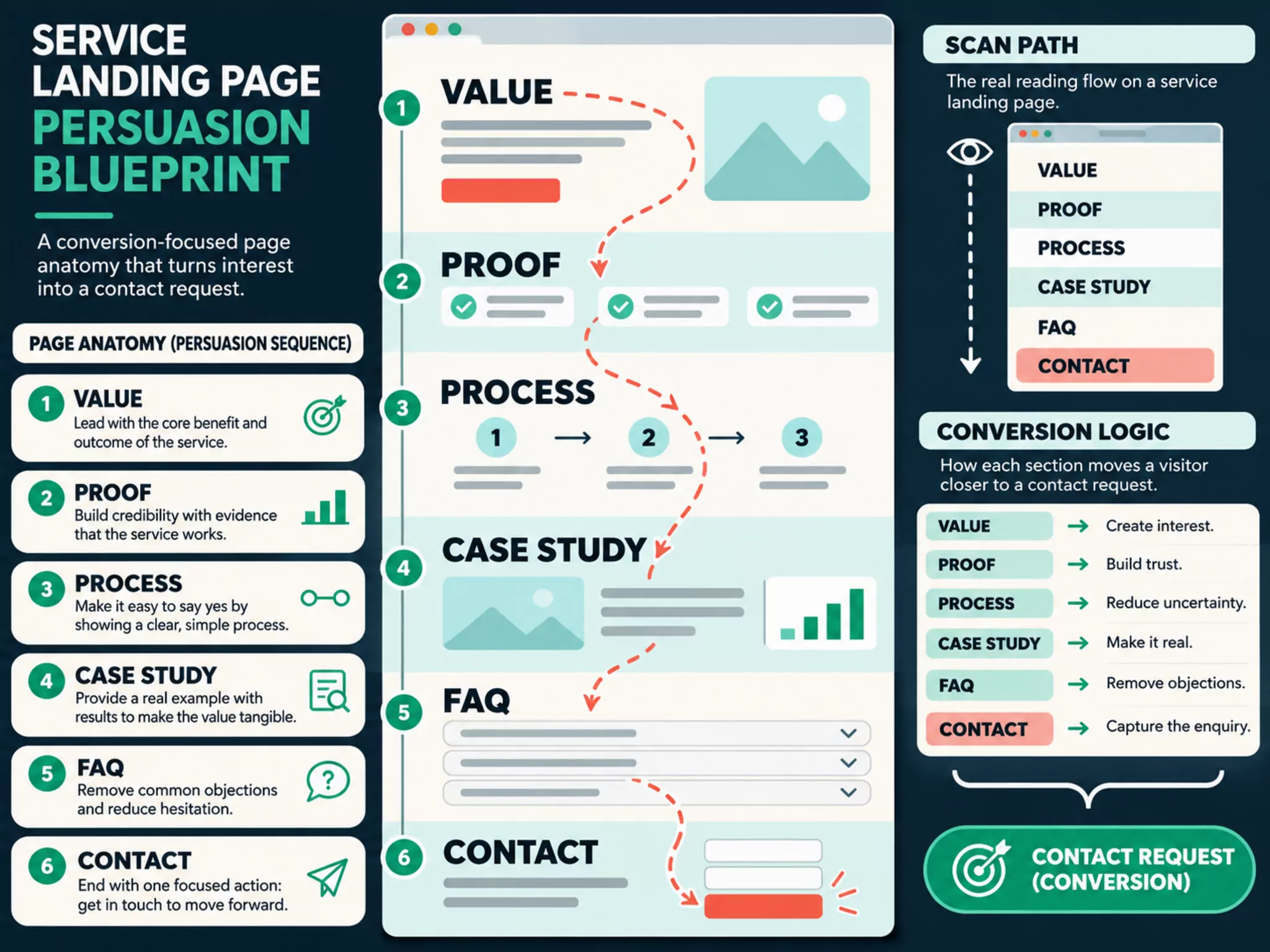
Service pages should not force readers to guess the scope. It should describe which groups the business serves, what problems are solved, what items may be included, the coordination process, and expected outputs. If the scope changes according to the current situation, clearly stating the survey step will help determine the proposal. Conditions such as data access, content reviewer, website platform and response time can also affect progress so need to be stated transparently.
Evidence should be directly related to the promise. Can present team capabilities, methods, process examples or publicly available comments. If you cannot publish a case study, do not create fake performance figures; explain how the project will be evaluated and what portion the business will own. Information about contracts, access rights, content usage rights and how to end the partnership also helps buyers assess risks.
SEO NHANH build the SEO solutions page as a decision-making page, instead of just a place for a contact button. Customers may need to view categories, read reports, compare ads, or understand when SEO isn’t a priority. Honest answers help reduce inappropriate contact and make the initial conversation more productive. The home page only needs to summarize the value and then lead to the page SEO services to read the full scope.
New websites often need to build a foundation before expanding content output. The first step is to determine the technical platform, domain name, URL structure, page type and administration. Next, the team researched the product, customer, and question groups to select essential pages: home, about, services, products, policies, and contact. Business information needs to be authenticated, measurement data needs to be installed, and sitemaps and robots need to reflect the intended structure.
Don’t publish dozens of articles just to make your website look big. Each site needs its own role and appropriate level of expertise. The service page should describe the solution, the about page should clearly state the organization, the tutorial should address a real need. Once the website has enough background, businesses can monitor queries, detect missing questions and expand according to signals. Going layer by layer helps avoid having to completely rewrite when the product or architecture changes.
SEO NHANH coordinates with the development team to test on staging, test navigation, and confirm important URLs work before launch. After release, monitor 404 errors, redirects, indexes, speed and conversions in the first weeks. The timing of signals depends on competition, crawl frequency, content and reputation; One date should not be taken as a general commitment. The plan focuses on being able to control and capture data as the search platform processes the site.
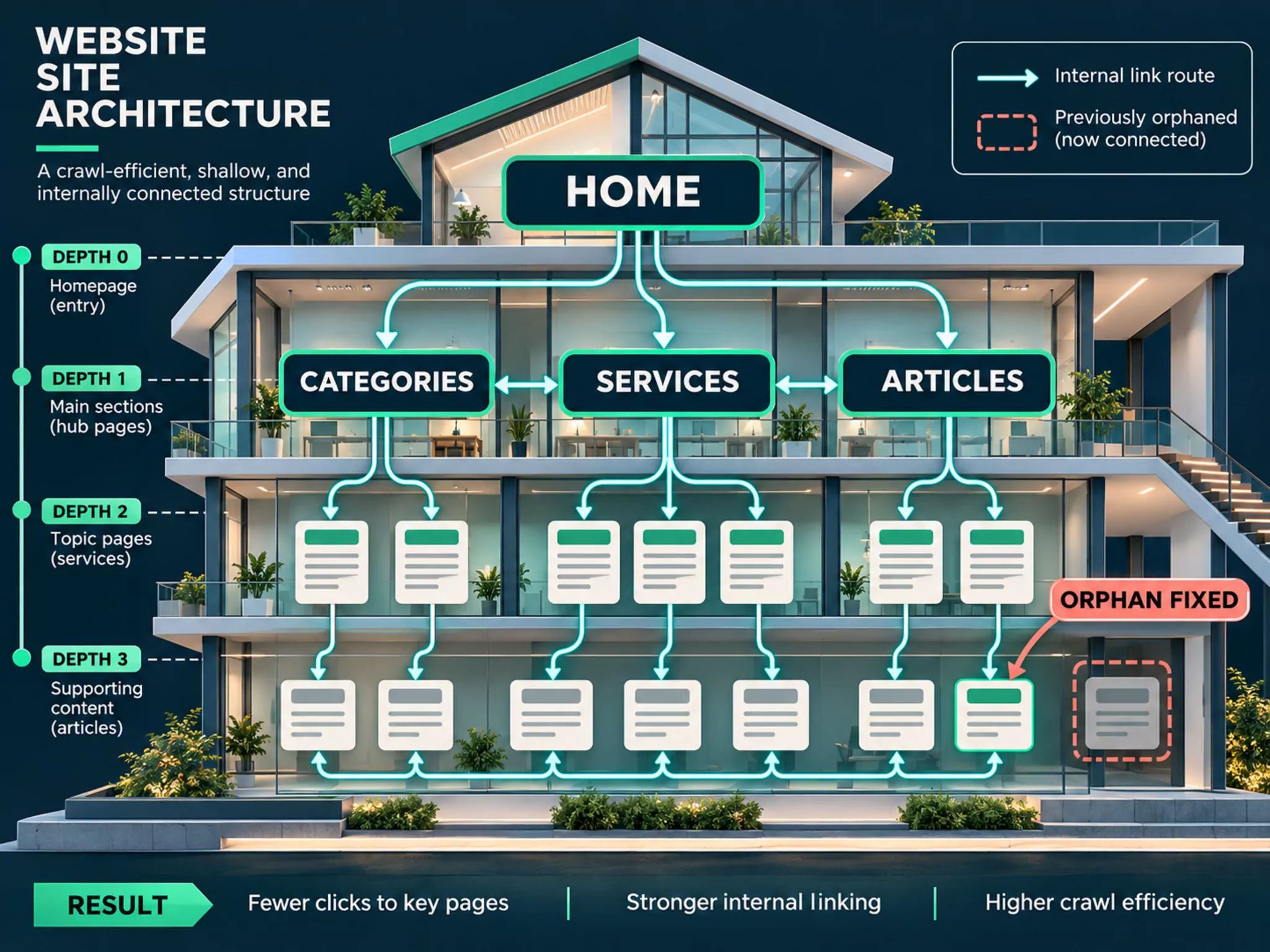
For businesses serving one or more regions, local information helps customers determine locations and service conditions. Name, address, phone number, hours of operation and service area need to be updated accurately. The website should clearly explain whether the business has a store or office to receive customers or only serves customers at their location. Do not create a series of local pages that only replace the county name if the business does not have specific content, services or factual information for each area.
Map-based business profiles need to be managed by the business owner, with redundant access and an update process when moving addresses or changing numbers. Customer reviews should be collected according to the platform’s policy, not purchased or selected in a misleading manner. When responding to comments, do not make private data public and do not make unauthorized promises. Local pages should link to actual service information, maps where appropriate, and helpful contact directions.
SEO NHANH reviews website NAP data and verified brand profiles, then compiles a list of where corrections are needed. If historical information on the internet is inaccurate, the source of the error should be addressed instead of creating new records. Organizations with multiple branches need a decentralized process so that each location is updated while still maintaining brand standards. Any location schema must match the information displayed and not create locations that do not exist.
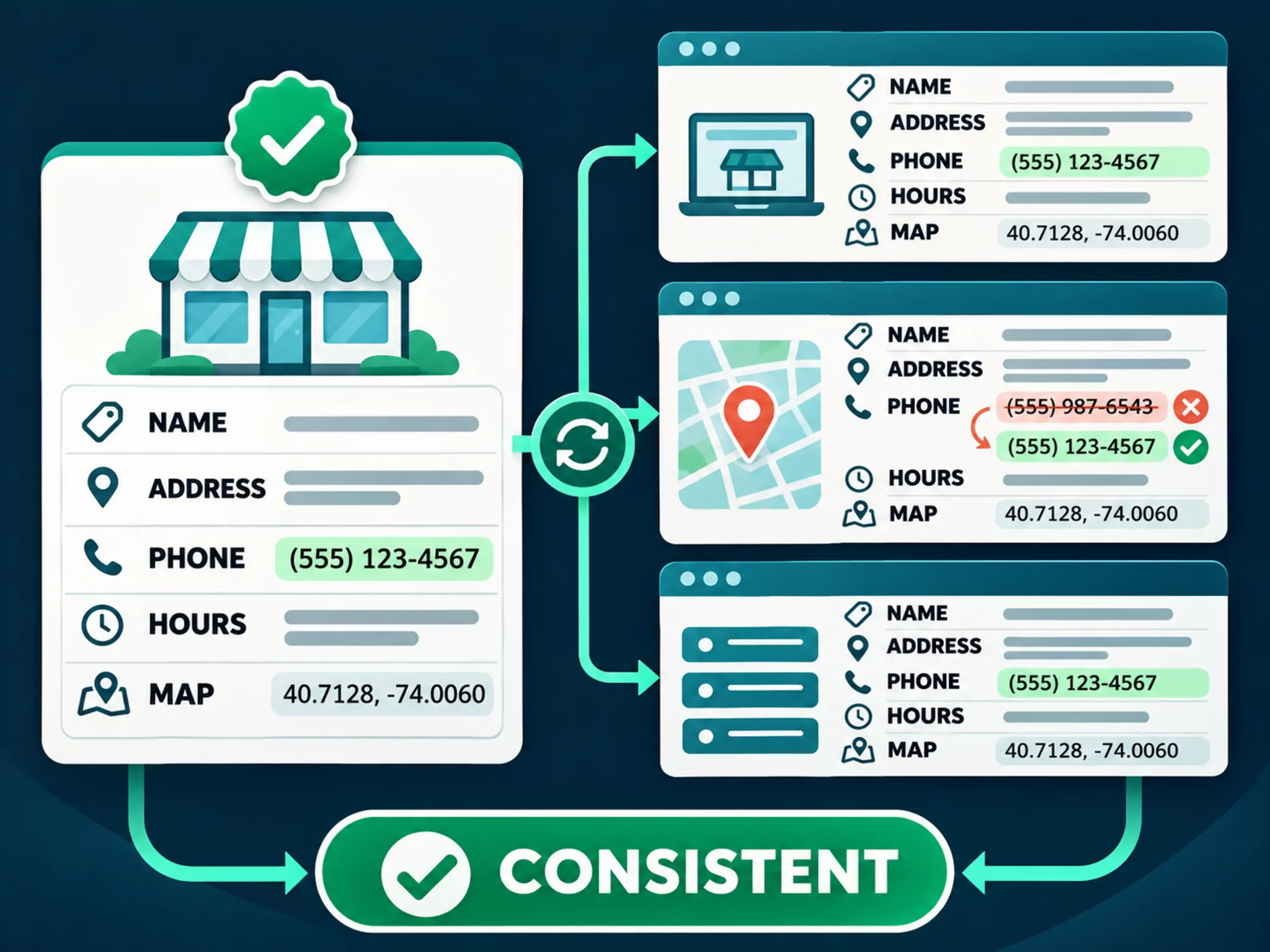
In B2B, searchers can be researchers, end users, department managers, procurement people, or approval leaders. Each role is concerned with a different part: usage, integration, total cost, operational risk, security or strategic benefit. The content architecture needs to support multiple questions without creating duplicate pages. An industry page might describe the context, while a solutions page delves into the process and a product page clarifies features.
B2B needs often include low-queried but high-value keywords. Looking at volume alone can miss the terminology used by the technical team or the questions that come up at the supplier evaluation stage. Interviewing sales, analyzing email questions, demo requests, and reasons for lost opportunities are important data sources. Content built from this evidence often reflects the true buying barrier more than a general list of topics.
SEO NHANH connects the search page with the CRM process to evaluate not only lead quantity but also quality and opportunity stage. It is necessary to have conventions for recording sources, data fields and response times; If lacking, SEO results may be misjudged. Content should help customers self-determine relevance before booking, thereby reducing irrelevant calls and helping sales teams focus on the problem at hand.
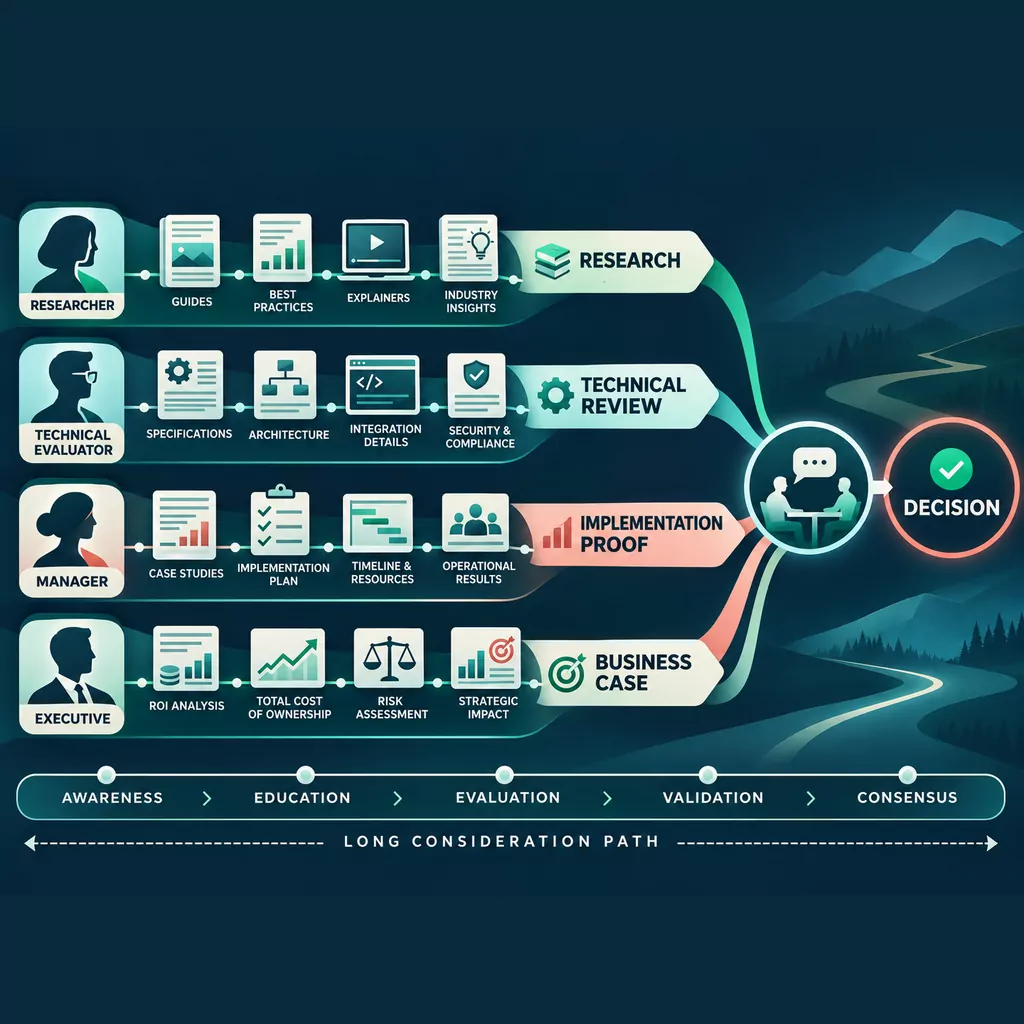
Ecommerce websites have many types of URLs and often increase rapidly in product quantity. Category structure needs to reflect how buyers group products, while product pages need unique information, availability, variant selection, shipping policies and decision support content. Product photos need to be clear, light and have appropriate descriptions. Customer-contributed content can be useful, but must have a moderation process to avoid displaying spam or irrelevant data.
Filters that create multiple URL combinations can increase crawling without adding search value. It is necessary to distinguish filter pages that have independent needs with nearly duplicate sorting or combination parameters. Decisions to index, canonical, and link to filter pages should be based on architecture, query data, and administrative capabilities. Don’t block all filters as a general rule if it unintentionally prevents the tool from discovering important products or category pages.
SEO NHANH evaluates the journey from results page to product page to cart. If the site has traffic but no sales, you need to look at product information, prices, inventory, delivery fees, reliability, mobile operations and payment errors. Analysis needs to be coordinated with commercial data, because sales are also influenced by inventory, promotions, seasonality and operating experience. Find out the right service structure at SEO solutions page.
When a business serves multiple countries or languages, it’s not a good idea to translate the entire content verbatim and consider it an international strategy. international. Needs, terminology, regulations, payment methods and reliability may vary by market. It is necessary to determine the target country, the language used, the actual service capabilities and which pages need to be localized. A good translation retains the intent and accuracy, but adjusts examples, units of measure, shipping information, and wording for local readers.
Architecture can use subfolders, subdomains, or country domains depending on resources, control, and brand plans. Each choice has a different operational impact; No structure is always best. Hreflang needs to declare correspondence between versions and properly self-reference, while canonical should not accidentally merge separate language pages. Need to test navigation links, sitemaps, language codes and the ability to switch versions without forcing users to a page in the wrong region.
SEO NHANH recommends expanding according to each market it can serve instead of publishing many sketchy versions. Each localization needs someone fluent in the review language, appropriate legal information, and updated contacts when prices or products change. Track performance by country, language, and landing page to distinguish technical issues from unmet demand. If your business only operates in Vietnam, there is no need to add a multilingual structure just to create a sense of scale.
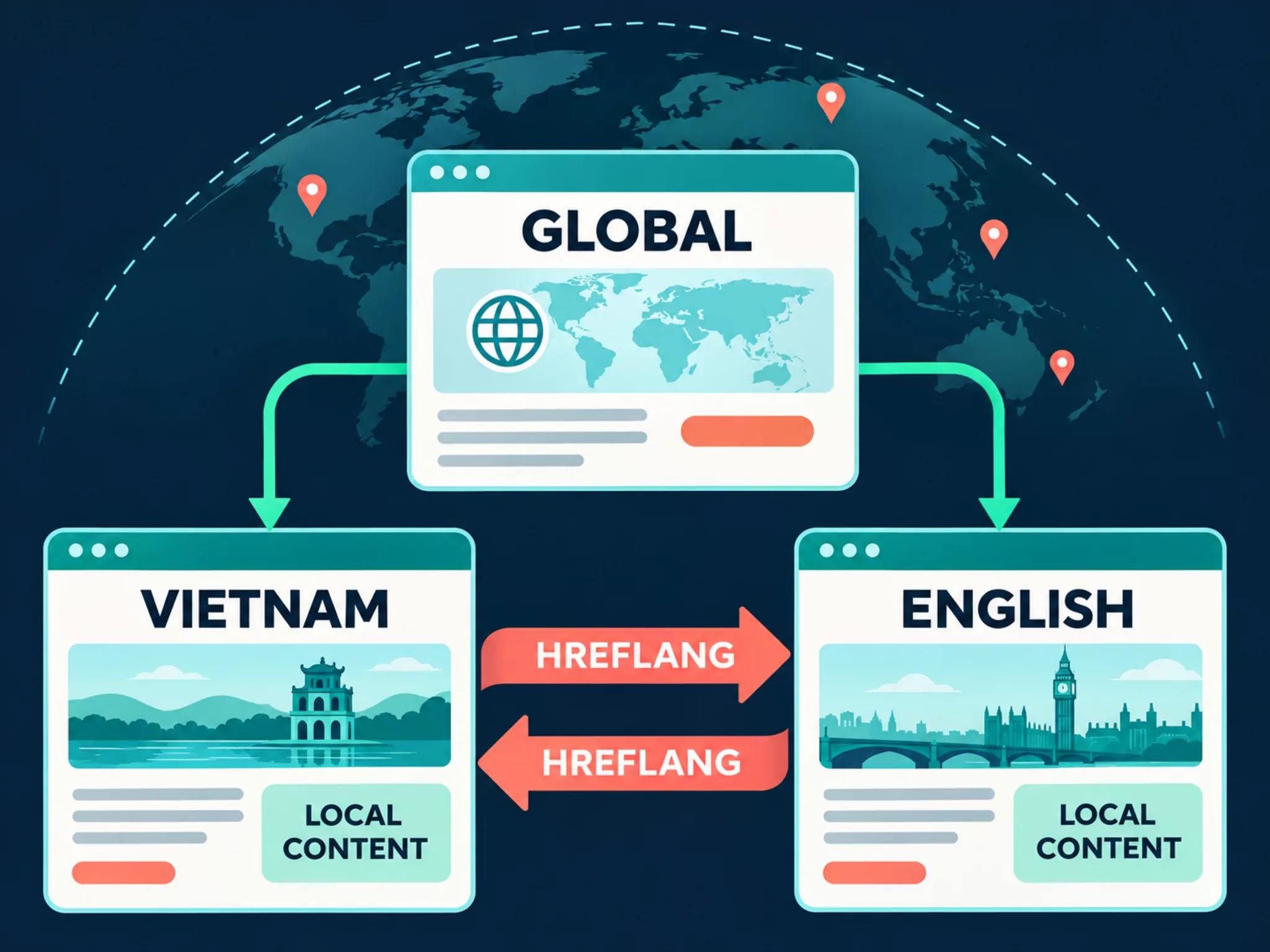
Website migrations can include changing domains, changing platforms, changing URL structures, redesigning or merging many websites. Before starting, make a list of your existing URLs, traffic, backlinks, conversions, important content, and index status. This list forms the basis for deciding which pages to keep, which pages to merge, which pages to redirect, and which pages to drop. If background data is ignored, it is difficult for businesses to distinguish the impact of migration from normal fluctuations.
Redirect needs to bring the old URL to the most equivalent new page, avoiding moving everything to the home page. Need to update canonical, internal links, sitemap, hreflang if applicable, robots, structured data and measurement integrations. Before launch, test sample URLs and important page groups on staging. After launch, check responses, redirect chains, 404 errors, noindex pages, server logs, and search engine data.
SEO NHANH coordinates with the technical team to have a rollback plan or fix when errors arise. Do not delete the old website before verifying redirects and accessing the resources that need to be kept. The tracking needs to be long enough to account for missed URLs and fluctuations during the platform’s signal update period. Any changes should be recorded by time, person in charge and confirmation results. A well-prepared migration does not guarantee absolute rankings, but it significantly reduces the risk of preventable errors.
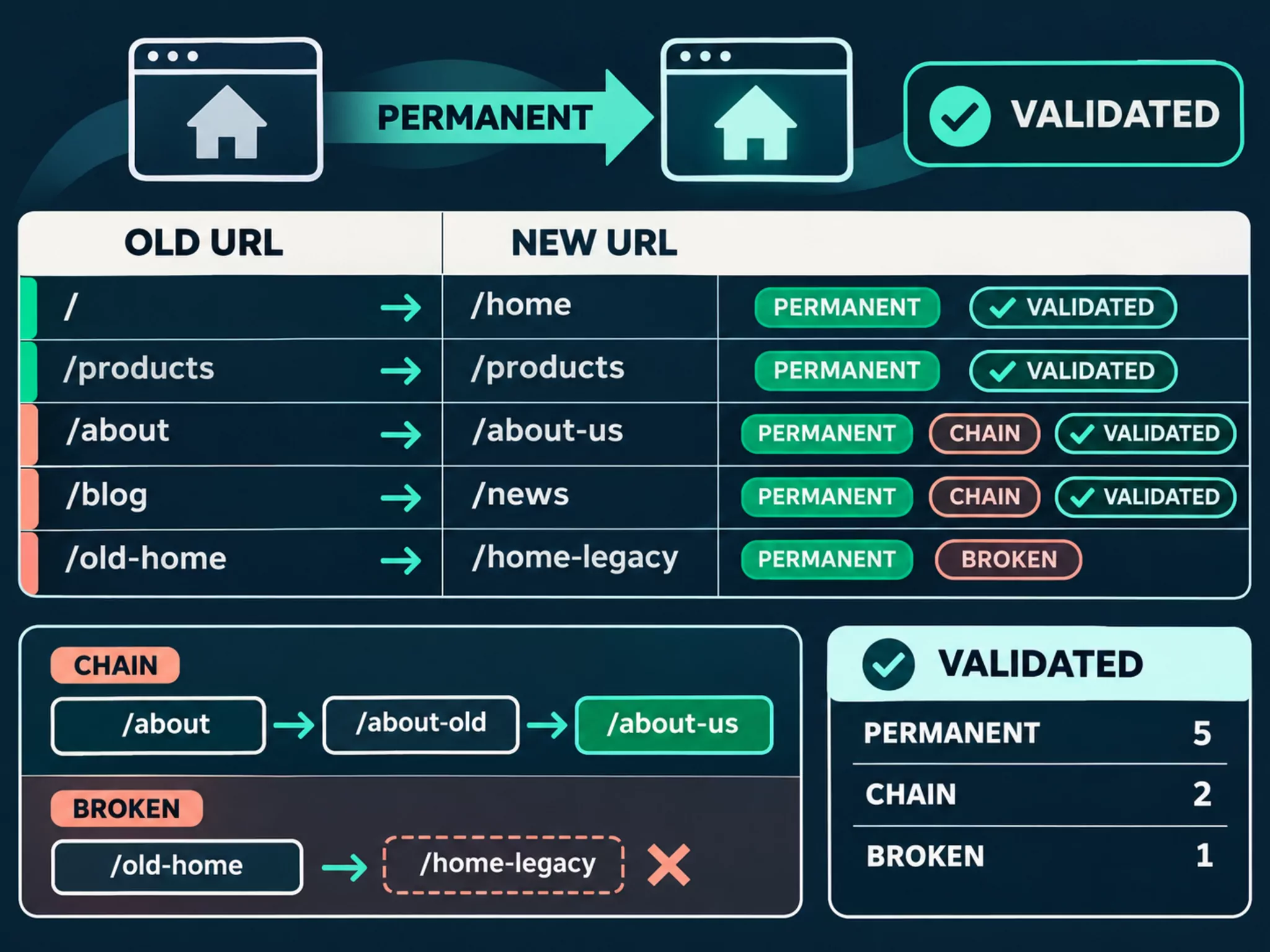
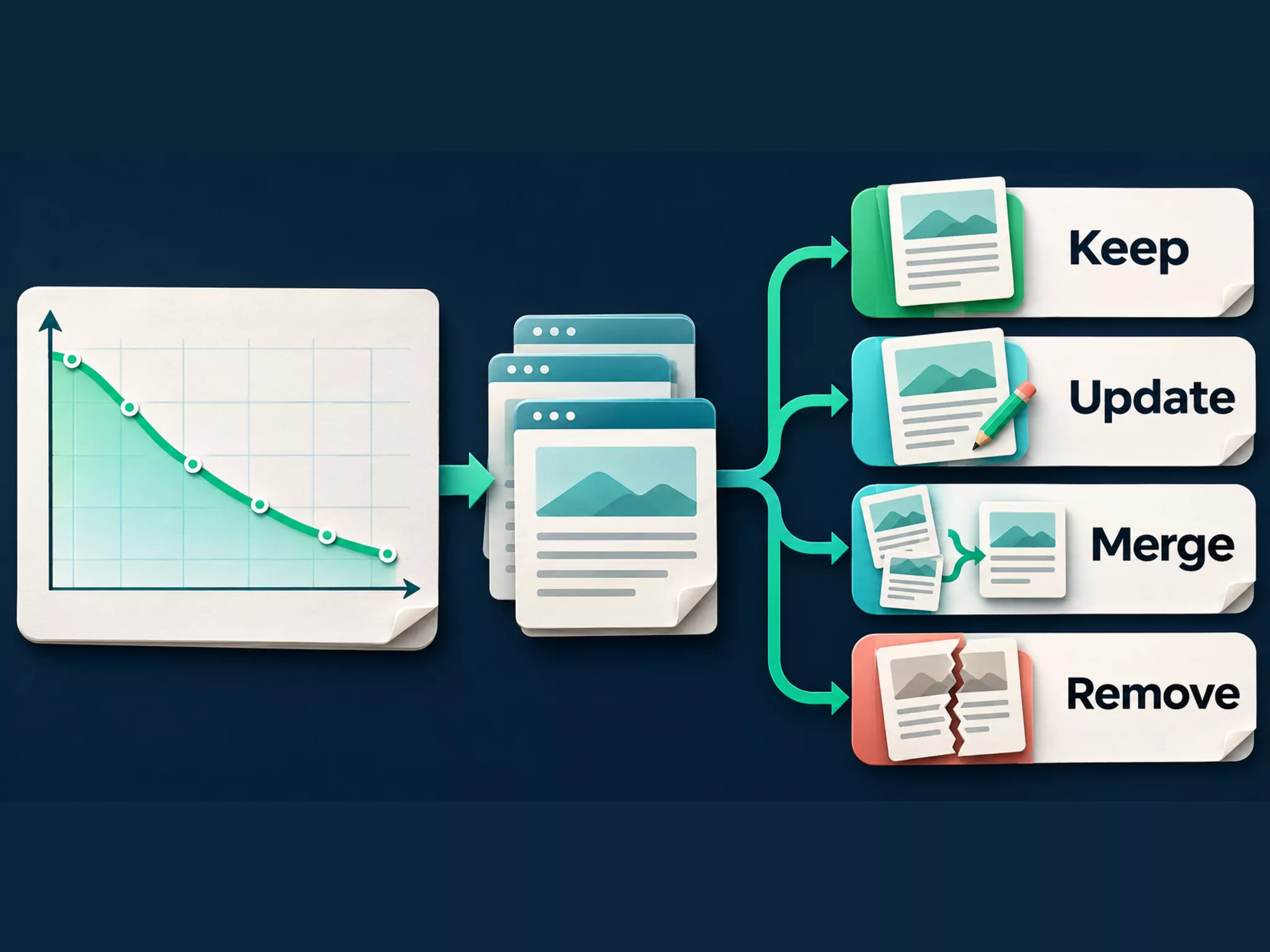
Old websites often have old posts, duplicate pages, URLs that are no longer relevant or content that has information has changed. Before updating, it is necessary to look at traffic history, queries, backlinks, conversions, original intent and current accuracy level. A page with few views does not necessarily need to be deleted; It may serve existing customers or contain specialized information. Conversely, just because a page has traffic doesn’t mean the content is useful if it’s confusing or provides incorrect data.
Options include updating, expanding, merging, redirecting, or removing. Consolidation is appropriate when multiple URLs serve the same intent and can create a clearer resource; But it’s important to choose representative URLs, redirect properly, and update any internal links. When editing content, add new knowledge, examples, procedures or sources of evidence instead of just changing the posting date. If the topic is no longer relevant, an alternative landing page needs to be evaluated so readers don’t end up on an error page.
SEO NHANH build a list of content to consider according to risk, value, and effort. The decision is recorded so that the next review knows why the page was kept or merged. After updating, monitor queries and related behavior, not concluding after just a few days. A page may need time to be crawled and evaluated; During that time, avoid constantly changing titles or content without a clear hypothesis.
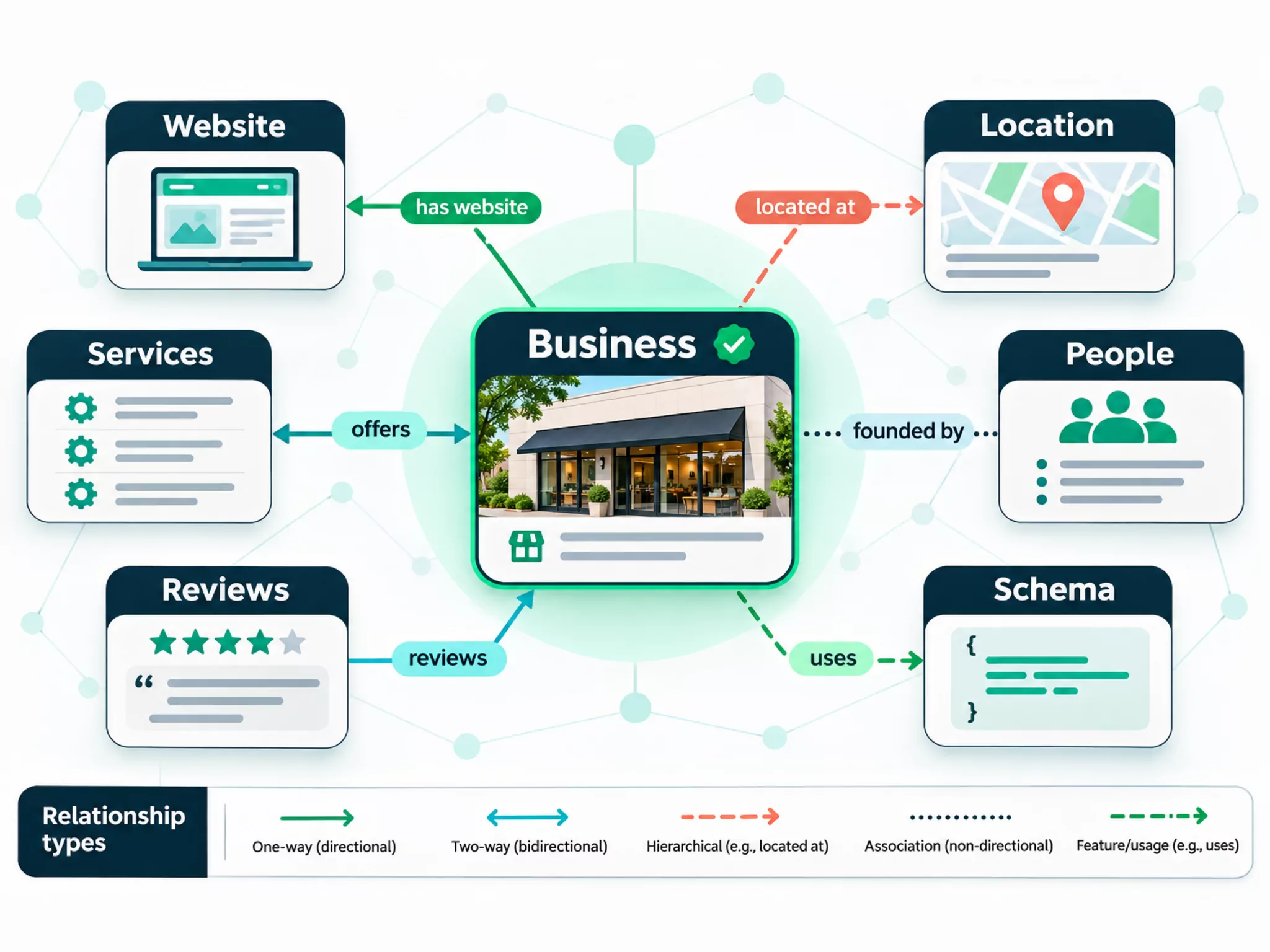
Semantic SEO focuses on helping content clearly express related topics, concepts and relationships so that readers and search systems can easily understand. This does not mean mentioning a lot of entities or terms close together. An article about choosing an SEO agency may need to explain the process, data, responsibilities, contracts, and measurements because that content helps buyers make decisions. Entities that are unrelated or simply added to create a sense of depth dilute the message.
Brand entities are reinforced through consistent information about name, activities, representative when appropriate, address, official records and professional content. Each attribute must be based on factual information and checked before publication. Structured data can describe a piece of information but should not contain content that differs from what is seen on the page. If the website displays an old address or legal entity name, you need to edit the content before syncing the schema.
SEO NHANH builds content from real questions and uses accurate terminology according to the industry. The heading structure shows the relationships between sections, links lead to supporting material, and examples clarify how to apply. For service brands, it is necessary to distinguish process commitment from results that depend on external factors. Conditional explanations and limited transparency create a better foundation of trust than claiming “comprehensive” or “fastest” without substantiation criteria.
GEO is often used to describe the activity that helps content Content and brands are easily understood, retrieved, or cited by organic search experiences. As systems change, businesses should avoid viewing GEO as a fixed formula or a technique that is guaranteed to appear in every answer. The foundation remains an accessible website, accurate information, clear source of content, easy-to-understand structure, and useful answers for specific needs.
Practices can include describing consistent concepts, providing direct answers with context, citing original documents, indicating the author or organization responsible, and checking business data. The content should explain applicable conditions and limitations, avoiding overly affirmative answers. When using data, it is necessary to record the unit, range and update date. The AI system can quote a passage out of context, so clear writing reduces the chance of readers misunderstanding.
SEO NHANH carefully monitors GEO signals: sample questions, prompted sources, accuracy levels, and changes over time. Results may vary across platforms, regions, accounts, or question formulation. Therefore, the report should state the observation method and limit the sample rather than claiming a number that is representative of the entire population. Businesses can learn about the specific scope at page GEO services.
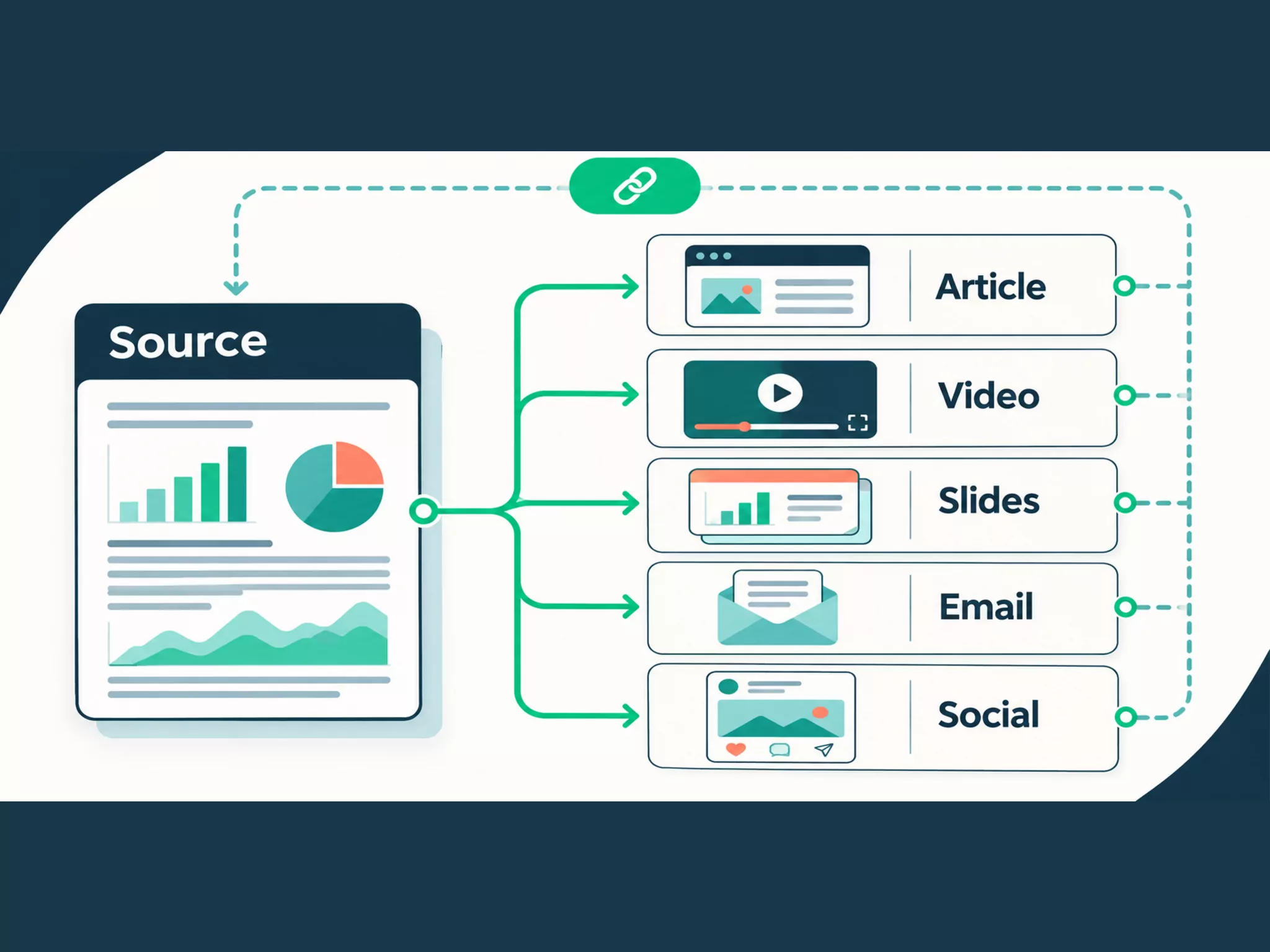
SEO does not work in isolation from other channels. Expert content can be used in emails, social media, sales materials, webinars or relevant communities. Distribution helps reach readers, gain feedback, and create more opportunities for organic mentions. However, reposting verbatim everywhere is not always appropriate; Each channel has different consumption methods and purposes. Length, format, and leads should be adjusted while maintaining information accuracy.
Teams can turn a long guide into a checklist, explainer video, customer summary, or internal training session. Each version needs to be linked to the original page when readers need to refer to the details. It is necessary to determine who approves, the rights to use images and data, the frequency of updates and how to handle when the original information changes. Off-site interactions can support brand awareness, but every ranking change should not be attributed directly to a social post.
SEO NHANH views distribution as part of the media plan, not a signal-generating trick. Content should go where the right audience is and be maintained while it has value. If a post with a question gets a lot of responses, the team can update the FAQ section or create a new how-to resource. Data from the distribution channel helps understand customer language, but needs to be combined with research and website data before changing search strategies.
Useful reports start with decision questions. If businesses want to know what content generates leads, they need to track landing pages, events, traffic sources, and CRM data. If you need to understand visibility, look at impressions, clicks, CTR, queries and position by page group. If the website has just released technical changes, it is necessary to measure crawl errors, indexing and performance of related URLs. A dashboard full of charts but not actionable will be difficult to help the team prioritize.
Before comparing this period to the previous period, it is necessary to consider seasonality, brand campaigns, product changes, external events and measurements. Search Console data may differ from the Analytics system because of different recording methods, processing times, and reporting scopes. Do not add indicators from two sources and consider them as a homogeneous sample. For leads, it is necessary to define what is a valid lead, how to handle spam, and who updates the status in CRM.
SEO NHANH presents both the results and the limitations of the data. The report can show growth pages, new queries, decline points, deliverables, and pending dependencies. When fluctuations are detected, the team checks the page, release date, index data, competitors and seasonal factors before recommending changes. Reading groups of URLs and intent is often more useful than looking at a single keyword or a total traffic number.

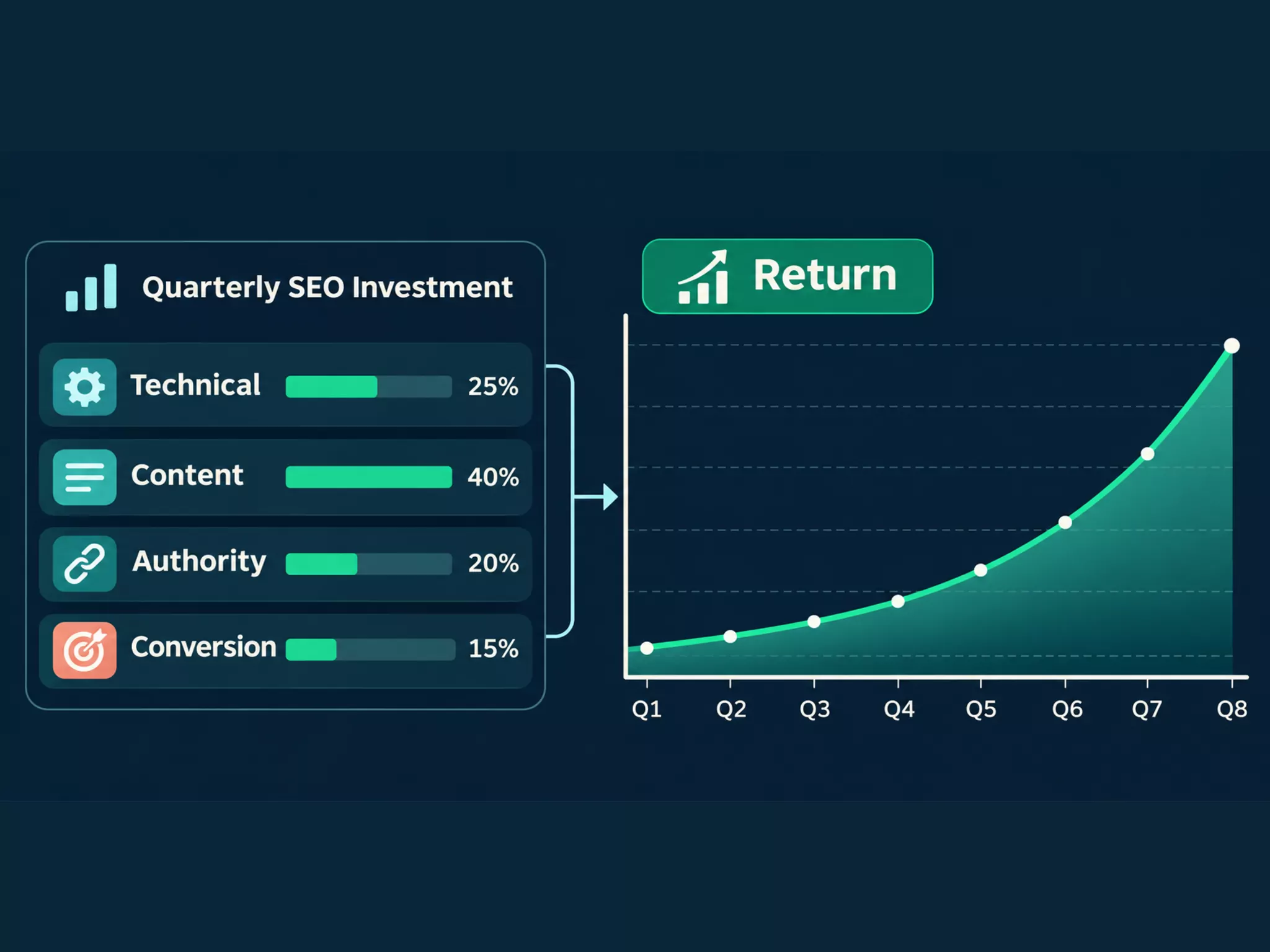
SEO budget is more than just a monthly service fee. Businesses need to consider internal expert time, website development, editing, design, tools, moderation, and opportunity costs. An audit project has a different strategic output than a continuous implementation package that includes technical, content, and conversion optimization. When comparing quotes, it is necessary to place proposals on the same scope, same assumptions and same measurements; If each unit counts a different task, the total cannot be directly compared.
SEO NHANH clarifies the items included, number of feedback rounds, acceptance criteria, asset ownership, expected duration, and what tasks need to be done by the customer team. Businesses can divide their budget according to priority: fix blocking errors, complete the main page, build a measurement platform and then expand the content cluster. Staging helps evaluate synergies and learn from the results before increasing scope.
Don’t choose spend levels based solely on revenue promises or rankings. Need to compare with profit margin, sales cycle, customer value and resources available for the project. If the website does not have standard product information, the sales team has not yet processed the lead, or the landing page cannot be converted, that part of the work needs to be included in the plan. A reliable quote describes assumptions and risks, rather than creating a sense of certainty with a data-free forecast.
The project deploys smoothly when each party knows who makes the decisions, who provides the data, and who approves the content and who releases the changes. Businesses need a focal point that can connect marketing, product, sales and engineering. The SEO unit needs to clearly state who is in charge, how to respond, when to report and the process for handling arising issues. If every request is sent through multiple channels without a place to track it, decisions are easily missed and the cause of delay is difficult to determine.
Before granting access, you should determine the minimum permissions needed, the account owned by the business, the authentication method, and the end-of-process revocation process. Do not send passwords via email or give full admin rights if the role is not necessary. Content, data, ad accounts and measurement tools should be handed over according to the agreement. SEO units need to work in a decentralized environment, with a history of changes and advance notice of updates with broad impacts.
SEO NHANH recommends short meetings according to goals: finalize priorities, handle bottlenecks and agree on the next work. The report does not replace decision communication; The meeting also shouldn’t become a dashboard review session. When plans change due to products, seasons or resources, the impact should be acknowledged and scope adjusted in a controlled manner. Effective cooperation does not mean that all suggestions are accepted, but that both parties understand the basis and responsibilities of the decision.